
On the road part 2: Another trip through a different desert
I lost track of the bottles of water we drank cooling off in the car, quiet except for the roar of the air conditioning on high.
There is no cellphone signal in Joshua Tree National Park. That also means there’s no GPS to give you directions, though the roads are few and far between, and there is no internet to feed the distraction devices, so no music, streaming or notifications.
The place is heaven on earth.
Joshua Tree, a protected area since the 1930s and designated as a National Park in 1994, is a magical stretch where two deserts meet (the Colorado and Mojave deserts) rich in cultural and ecological significance. On the Mojave side, more aesthetically pleasing and biodiverse, grow the park’s namesake tree. Reportedly named by Mormon settlers headed west, because in their eyes they resembled the legendary biblical leader who led the children of Israel on the conquest of the promised land, but how they would come to that conclusion I don’t know. Joshua trees are odd looking specimens. With their fuzzy-looking foliage at the end of long, woody limbs, the trees look other-worldly or something out of a picture book for children. The Joshua tree served as the inspiration for the Truffula trees in the famous Dr. Seuss publication “The Lorax,” though some argue that it was the Monterrey cypress.
After the recent Phoenix-based dance convention, I loaded my family back up in our rented carriage and headed further west for a glimpse at the California countryside. What was supposed to be a short waylay to see the majestic plant, it’s actually a yucca and not a tree, turned into an excursion that lasted the better part of the day. Though the temperatures were well above 100 degrees, my children thoroughly enjoyed walking among the Joshua trees and cholla cactus that densely grow on the Colorado Desert side of the park, as well as scrambling up and down climbable rock formations.
I lost track of the bottles of water we drank cooling off in the car, quiet except for the roar of the air conditioning on high. Empty plastic containers littered the floorboards, and we dutifully disposed of them in the proper receptacle when we found one. After applying more sunscreen and checking the map, we were off to the next site.
I first traveled to Joshua Tree National Park about 30 years ago. As a then-avid fan of the band U2, I just had to go to the same place where they shot the album cover of their best record. The Joshua trees have long been a symbol of the counterculture and very hip on the art scene. Artists and photographers yearn to recreate the remote wildness of the terrain in their works. Though a picture or a painting could never do the place justice.
Thankfully my children saw this portion of the desert with untainted eyes and a clear unbiased mind, unaware of the music and art inspired by it. What they saw was a unique space in the American landscape, something you can only see on a small patch of planet Earth, and recognized it as the miracle it is.
And I’m better off for having seen it with them.
Author

Related Articles
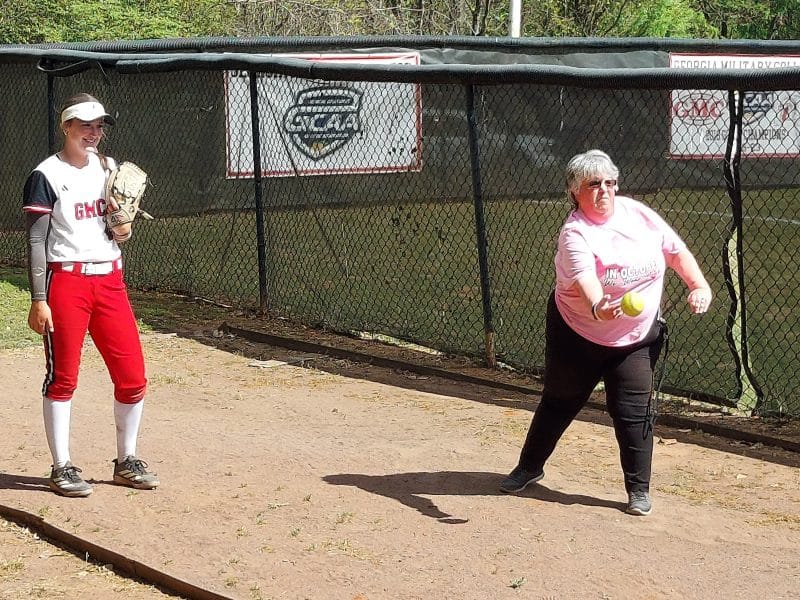
Making her pitch against cancer
Two years after breast cancer diagnosis, Jill Towns threw out the first pitch at a softball game.

Midlife moon crisis: Is there life on Mars?
When you’re young and have the bull that is life by the horns you don’t think about waking up middle aged with all of the cares and/or worries that come along.

When it gets dark just wait for the light
A look into how the Easter story brings us the light of life.