
Animal Welfare Nonprofit Visits Local Dog Shelters and Rescues
Who Will Let The Dogs Out (WWLDO) co-founders Cara Achterberg and Nancy Slattery visited local dog shelters, including Diamonds in the Ruff on Thursday, June 5, Lucky Dogs Rescue Ranch and the Soperton-Treutlen Animal Shelter on Sunday, June 8, to deliver supplies and offer resources.
Who Will Let The Dogs Out (WWLDO) co-founders Cara Achterberg and Nancy Slattery visited local dog shelters, including Diamonds in the Ruff on Thursday, June 5, Lucky Dogs Rescue Ranch and the Soperton-Treutlen Animal Shelter on Sunday, June 8, to deliver supplies and offer resources.
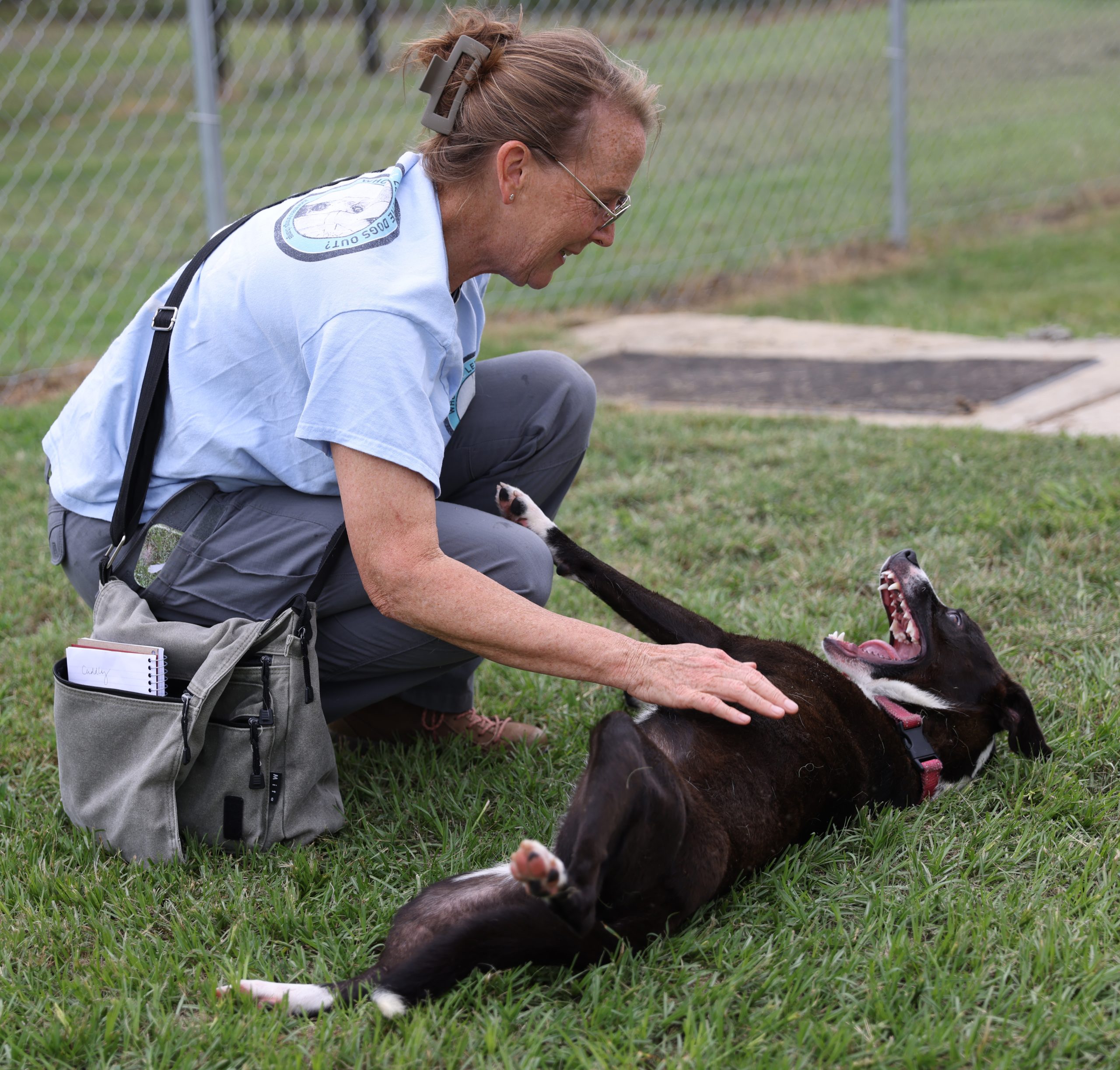
“We travel around, we visit shelters, … get to know their story, find out what they need, how people can help, share that story, share their links, bring donations, offer support,” Achterberg said.
During the visits, Achterberg and Slattery spoke with the shelters’ respective operators about their usual operations, how dogs came in and out of their care and potential solutions for various issues the shelters face.
At the end of each visit, Achterberg and Slattery would give the shelter a large amount of dog food, medicine, dog toys and other supplies they had asked for in advance. Achterberg would also offer various resources the shelters could make use of, including the organization’s InstaGrant and InstaSnip programs.
“So, those are programs that we’ve developed because when we first started going out, we realized that the grant money coming from big corporations and companies goes to the larger shelters who have a grant writer on staff, because grant writing is a game and you have to know how to play it,” said Achterberg.
The InstaGrant program, funded by the American Society for the Prevention of Cruelty to Animals, provides in-kind gifts to shelters which would otherwise be out of a shelter’s budget, typically ranging from $250 to $2,500. The InstaSnip program establishes a fund at local veterinarians for spay and neuter operations and cannot be spent on anything else.
Slattery also took various promotional photos of many dogs in the shelters’ care, using a special whistle and a squeak toy to get the dogs’ attention.
“I’m trying to get them at their best looking, just to make a connection, not look like a damaged, confused, lost, scared dog,” said Slattery.
Those photos, along with information gathered during the visit, are used by Achterberg to write articles on the WWLDO blog to draw attention to the shelter. Achterberg recommended shelter operators begin an Amazon wishlist so a link could be included in the article, so WWLDO followers could contribute to the shelters visited.
Achterberg also recommended operators post more frequently on social media such as TikTok and Facebook to spread local awareness about the shelters.
These visits served as the end of the organization’s spring tour, which included stops in North Carolina and Georgia. Since beginning operation in 2019, the organization has visited approximately 180 shelters in 13 states primarily in the southeast, according to Achterberg.
“So many of them work all alone, and in the South especially they are in these rural areas, and there’s a lot of resistance, and they need that support, and they need people to know what’s happening,” says Achterberg. “And there’s people all over the country that want to help, and we try to connect them so that they can help.”
Related Articles

Unexplained fire investigated, Dublin chief talks about importance of smoke alarms, fire evacuation plan
Fire officials looking into a blaze that started from a house without power.

Soperton City Council Pivots to Pay Scale Discussions for Police Shortage
The Soperton City Council shifted discussions away from salary raises in favor of reviving discussions of city-wide pay scales as a method of alleviating a shortage of local police staff.
Governor Approves $943,359 in Grants Funds to Alamo Street Project
Georgia Gov. Brian Kemp and the State Road and Tollway Authority (SRTA) approved $26 million in funding for Georgia Transportation Infrastructure Bank (GTIB) grants on June 9, with $943,359 of those funds designated for the Alamo Safe Streets Initiative.