
Georgia Forestry Commission Issues South Georgia Burn Ban Amid Drought
The Georgia Forestry Commission (GFC) issued the first mandatory ban on outdoor burning in the agency’s history on April 22 to prevent wildfires amid statewide drought conditions.

The Georgia Forestry Commission (GFC) issued the first mandatory ban on outdoor burning in the agency’s history on April 22 to prevent wildfires amid statewide drought conditions.
“We need everyone to take this situation seriously,” said Georgia State Forester and GFC Director Johnny Sabo in a press release accompanying the ban. “GFC’s wildland firefighters are responding daily to a near-record number of wildfires. It’s critical to remember that just one spark or ember can ignite a life-threatening wildfire.”
According to the GFC, 98 percent of the total land area in Georgia is “currently in moderate to exceptional drought conditions” resulting in a greater number of wildfires in April than Georgia’s five-year average.
The ban will apply to 91 counties south of the metro Atlanta area for up to 30 days, unless the ban is extended by the commission. The ban’s area reaches as far north as Columbia County, along the Alabama state border up to Harris County and along the Florida state line.
The order prohibits prescribed burns and agricultural burns, as well as the burning of leaf piles or yard debris. The ban will apply “regardless of whether such activities require a permit from the State Forestry Commission.”
Georgia Governor Brian Kemp issued an accompanying executive order declaring a state of emergency for Georgia wildfires. According to the order, “assistance from the state is necessary to prepare for and respond to the evolving threats and circumstances in connection with existing wildfires and enhanced fire risks, as well as the corresponding hazardous conditions and anticipated impacts.”
The state of emergency applies to all 91 counties listed in the GFC’s ban, referred to in the executive order as the “Affected Counties,” and will last for 30 days unless extended.
The order directs “all resources of the state of Georgia” to assist in preparation, response and recovery activities, including the activation of the Georgia Emergency Operations Plan and the Georgia State Operations Center; state agencies’ coordination with the Georgia Emergency Management and Homeland Security Agency; the Georgia Departments of Transportation and Public Safety expediting movement of equipment and personnel across the state; the deployment of up to 150 Georgia National Guard Troops and a prohibition on price gouging of goods and services “necessary for preparation, response and recovery activities for this state of emergency.”
The GFC’s order also prohibits counties under the ban from enacting their own burn bans. However, some communities put their own burn bans in place prior to the GFC.
The Soperton City Council enacted their own emergency burn ban on April 20 during their monthly meeting. This ban would have lasted for 60 days unless extended, and threatened violators with up to $1,000 in fines and up to 12 months in jail.
“It’s just an emergency ordinance so that somebody doesn’t accidentally ignite everything on fire around here,” said City Attorney Paul Calhoun. “Everything’s really, really dry.”
The Treutlen County Board of Commissioners implemented its own emergency burn ban on April 21, also lasting for 60 days.
On April 22, the GFC responded to 34 wildfires which burned 75 acres statewide. In addition, firefighters have contended with two large wildfires in Clinch County and Brantley County.
“I want to thank Director Sabo, Agriculture Commissioner Tyler Harper, Georgia EPD, and all those working to address the impacts of this critical drought,” said Governor Brian Kemp in the GFC’s press release. “Georgia Forestry responders are working hard to battle the wildfires caused by these dry conditions, and I’m encouraging all Georgians to do their part in helping them by adhering to this burn ban.”
Related Articles
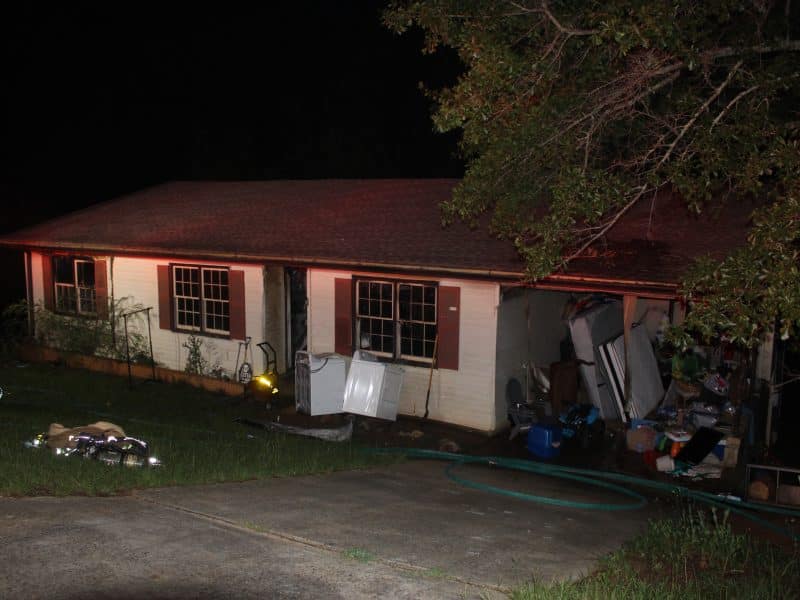
Unexplained fire investigated, Dublin chief talks about importance of smoke alarms, fire evacuation plan
Fire officials looking into a blaze that started from a house without power.

Soperton City Council Pivots to Pay Scale Discussions for Police Shortage
The Soperton City Council shifted discussions away from salary raises in favor of reviving discussions of city-wide pay scales as a method of alleviating a shortage of local police staff.
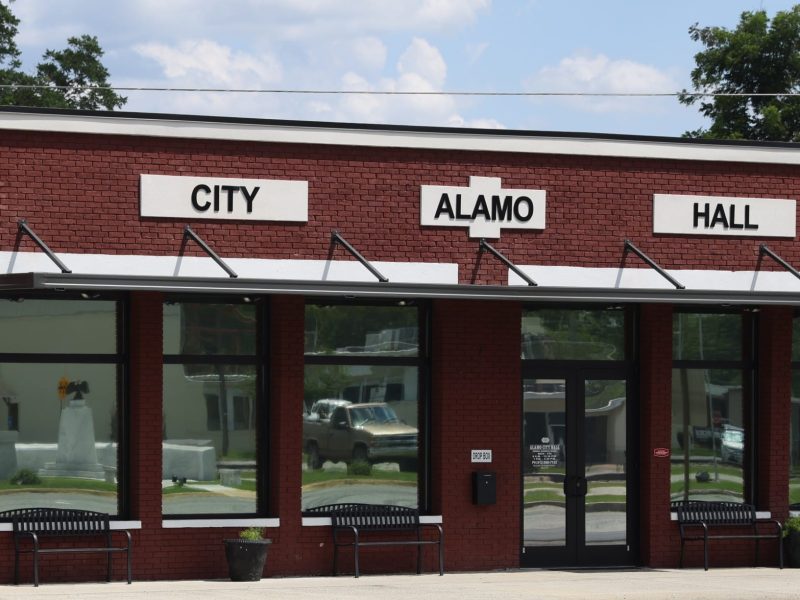
Governor Approves $943,359 in Grants Funds to Alamo Street Project
Georgia Gov. Brian Kemp and the State Road and Tollway Authority (SRTA) approved $26 million in funding for Georgia Transportation Infrastructure Bank (GTIB) grants on June 9, with $943,359 of those funds designated for the Alamo Safe Streets Initiative.