
Thomas, NeSmith continue Laurens County’s long-running involvement on GHSA student council
Local juniors Jaxten Thomas and Tripp NeSmith, multi-sport athletes at East and West Laurens high schools, are carrying on what’s become a tradition of local representation on the GHSA student committee.
Jaxten Thomas and Tripp NeSmith, high school athletes in the same grade on opposite sides of Laurens County, have been acquainted since their days as both teammates and competitors on the youth ball field in various sports growing up.
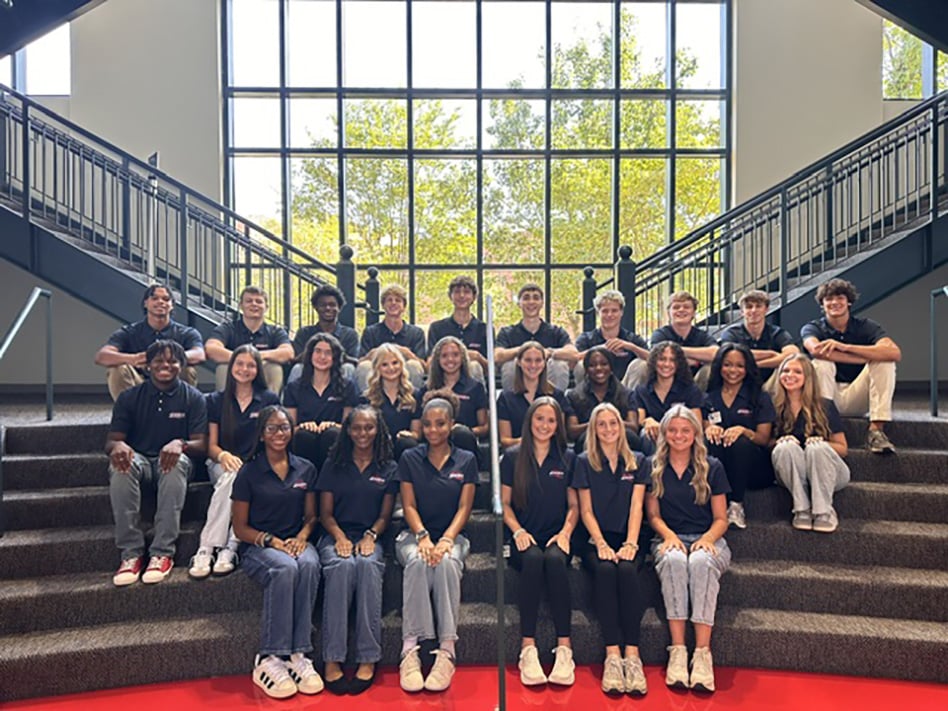
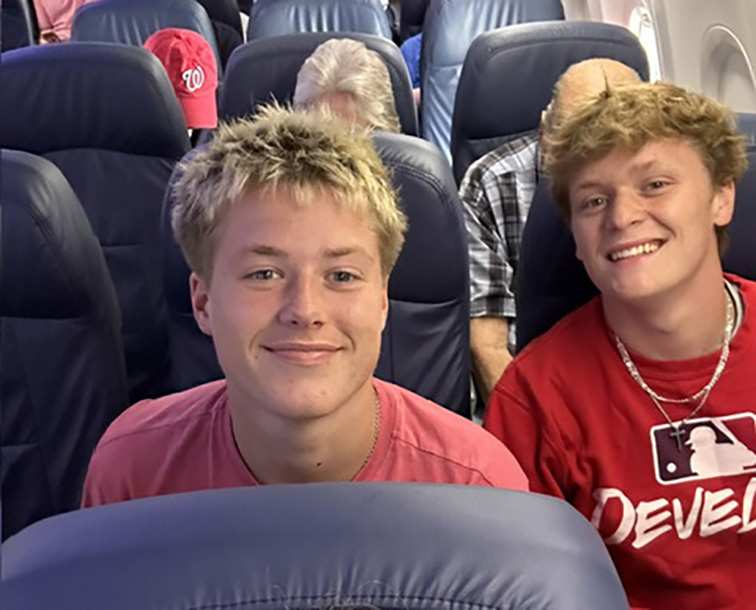
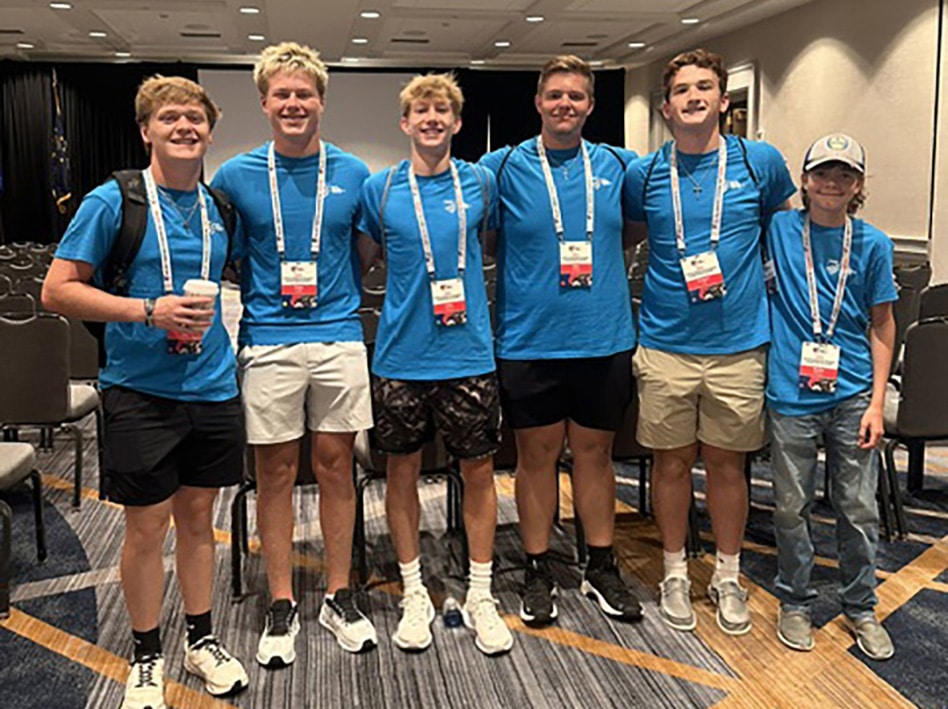
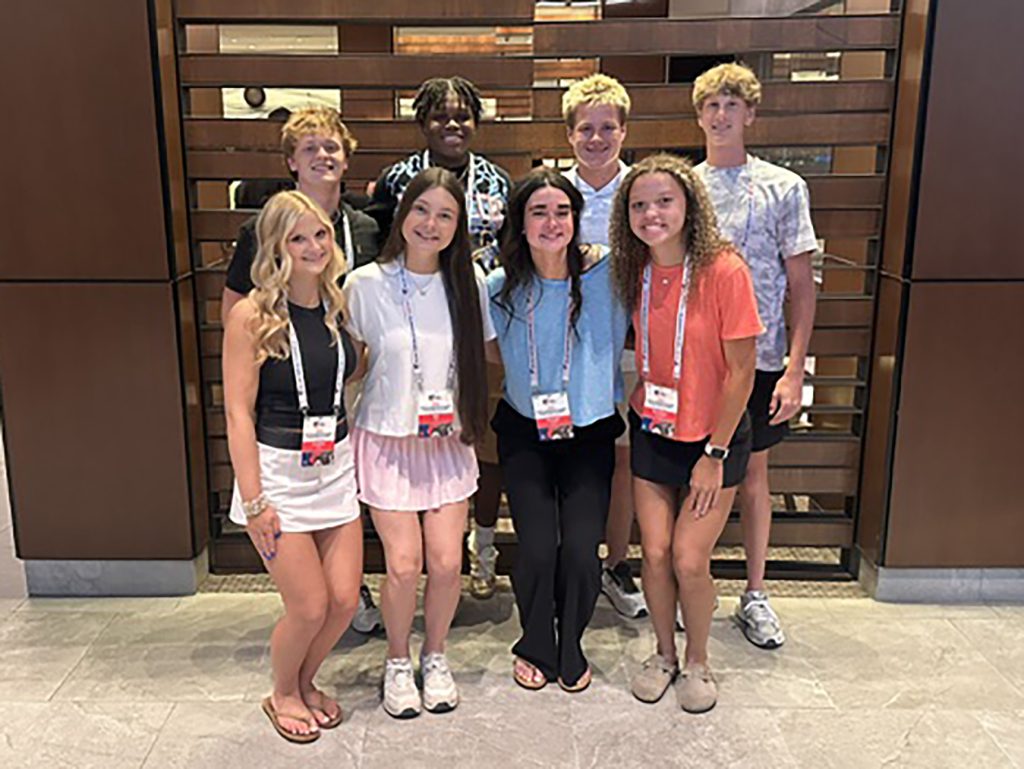
But the local juniors had never really connected until this summer, when a trip to Indianapolis, of all places, brought them together along with 26 peers from statewide at a national student leadership summit attended by several newly selected members of the Georgia High School Association’s Student Athlete Advisory Council.
The opportunity to meet and interact with others from across the country during the three-day event also served to build a new friendship between the two – Thomas who attends East Laurens, and NeSmith West Laurens – who didn’t realize what all they had in common.
“I’ve always known of him, but we never really hung out and it was crazy because you’re going to that national (conference), where there are people from all across the country, and this guy lives 20 minutes away and I don’t know him any better than this guy from over here,” Thomas said. “It was awesome getting to meet him, getting to know him.”
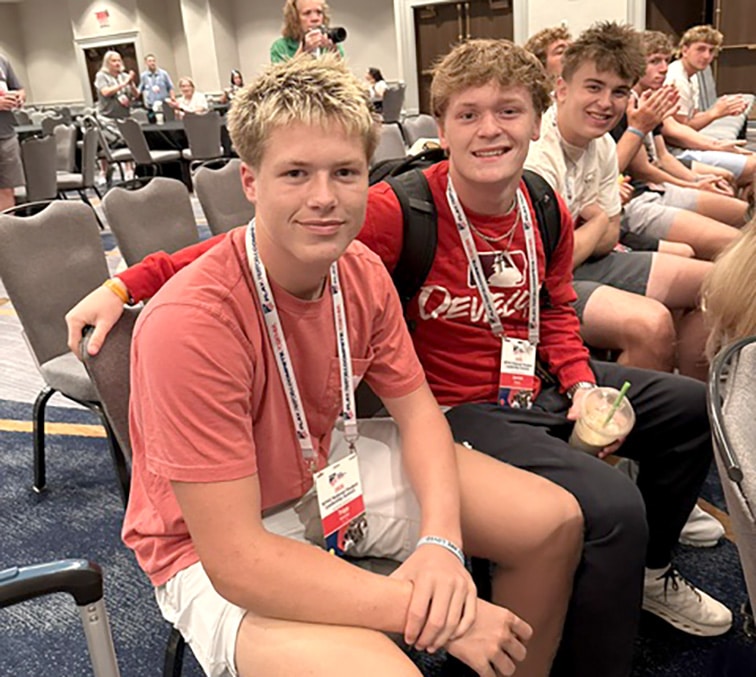
In addition to serving as leaders on their teams and campuses, both are helping carry on what’s become a tradition of Laurens County representation on the GHSA committee, which each year selects some of the best from member schools around the state. The panel is charged with serving as a voice for fellow student-athletes in conversations at the state level, and by the same token, as a similar advocate for the organization and its ideals on the campuses where they study and compete.
Its larger purpose is to bring the brightest young minds in the state’s athletic community together, and allow them to improve leadership skills, network with state officials and others of similar mind from their age groups, engage in community service opportunities and simply be thinking about ways their generation can shape the future of not only high school sports, but whatever parts of the world they’re headed into as they take the first steps of a future career in high school and college.
“(I’ve enjoyed) just meeting everybody, making new friends,” NeSmith said. “Everybody that I’ve met from all the way around the world… It helps you be more of a leader, because you can talk to people, be more outgoing.”
Thomas and NeSmith are the fifth and sixth local delegates to take part in the program since it began in 2019.
“Laurens County probably has the largest number of people,” said GHSA associate director Penny Pitts Mitchell, who founded and helps lead the student commission. “Gwinnett, those big schools, Gwinnett or Cherokee County, they’ve had two or three, but y’all have had six.”
Previous representatives, two each from the respective schools, include East’s Brandon McWilliams (2024-25), West’s Abegayle NeSmith and East’s Marquez Harris (both serving in 2022-23 and 2023-24) and West’s Ella Newsome (part of the inaugural two SAACs, in 2019-20 and 2020-21).
A local student has been involved in all except two years. This is the third year that both a Falcon and Raider are part of the statewide quorum.
“It’s awesome,” Thomas said. “I’m loving this opportunity. It’s a great opportunity to make an impact on my community, on my state. I like being able to be the person my peers look to when they need some help or need some guidance or something, be a leader for them.”
Leaders on their fields…
Selection, by a panel that reviews applications and essays, emphasizes school and extracurricular involvement, and community service among interested candidates, who must be at least a sophomore in class standing, participate on at least one athletic team and be a member of at least one school club or organization.
For NeSmith, the SAAC came highly recommended by his older sister, who along with East’s Harris, was a member two different years from 2022 through 2024.
“I just wanted to be involved with stuff like that,” he said.
Thomas, who applied once as a sophomore before being selected this year, had also heard good things from some of those past reps on the Eastside, and was encouraged to apply by McWilliams, who, along with East Laurens cheer coach Tina Hester, offered some valuable tips on his application.
He was already involved in some on-campus roles as part of a similar student athletic committee formed around his freshman year by ELHS administrators with a main goal of simply keeping in touch, but also helping its next generations of leaders realize their potential through team-building activities and special retreats.
“I’m trying to actually get that re-started. We used to come out and do meetings once a month or so. We’d talk about different issues. We would sit down and have pizza, and it would be just leaders within the different sports,” he said. “I’d love to get that started again.”
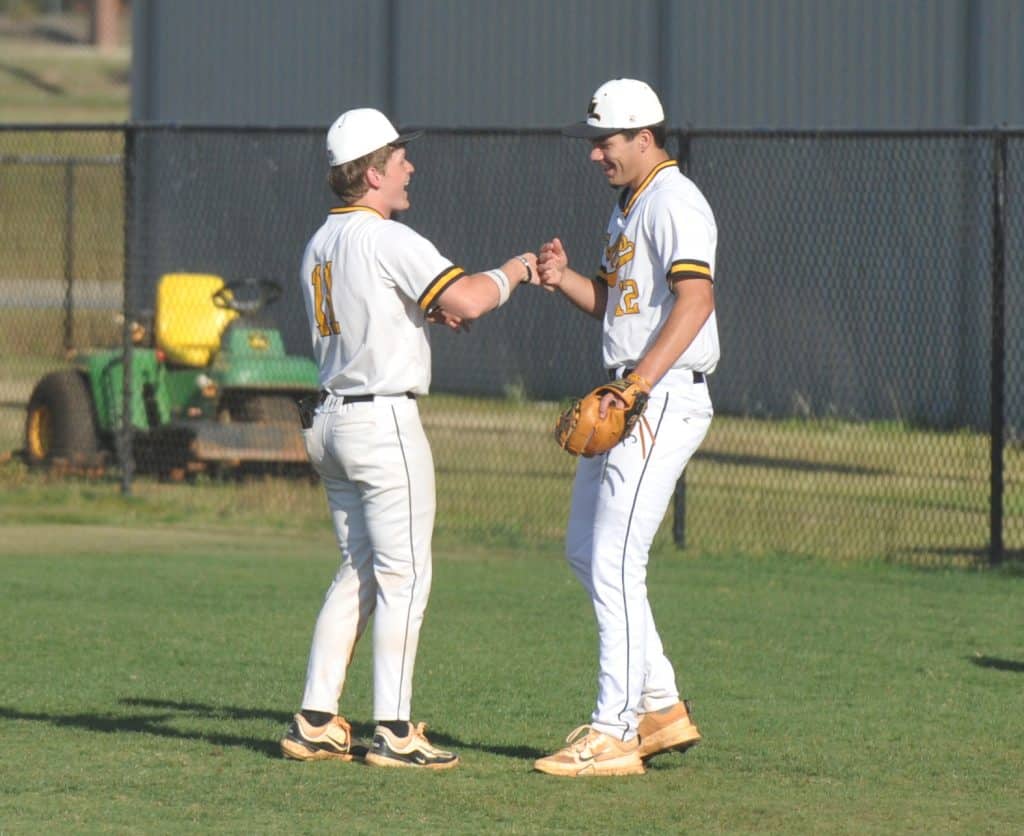
Both are football guys who, coincidentally, share the positions of linebacker and long-snapper. Their second sports are in the spring: NeSmith also plays tennis, and Thomas baseball.
The gridiron is where they’ve both seen the importance of quality leadership make a difference, and each are working to embody those ideals as they rise into positions of influence on their sidelines this fall.
“Whenever Coach says something, try to back him up on it whenever I can,” Thomas said. “When we’re doing a drill, I might show the guys how the drill’s supposed to be done. It’s just the little things. Making sure we’re orderly, we’re on the field on time.”
NeSmith is one of several West Laurens upperclassmen who are taking up the mantle from several of the best to do it as members of a 2026 graduating class that spearheaded last year’s historic season.
“They were just disciplined,” he said. “Really disciplined. Everything the coaches said, they did to the best of their ability, 100 percent effort all the time. It just worked. That’s why we went all the way.”
Those contributions will be vital to both teams’ success as the new season continues to unfold.
The Raiders, after falling to Bleckley County in their opener, were able to even their record in a come-from-behind rally to beat Dodge last Friday. Slowly but surely, the promise of this mostly new lineup is emerging as the many new faces get established and comfortable.
After last Friday’s road trip to Cook, they were set to return home to begin a two-game homestand against Monroe Area.
“There’s a lot of new people on the defense and offense,” NeSmith said. “We’ve just got to learn how to play an actual football game, because most of these people haven’t really played a game yet, so we’ve just got to figure it out as we go.”
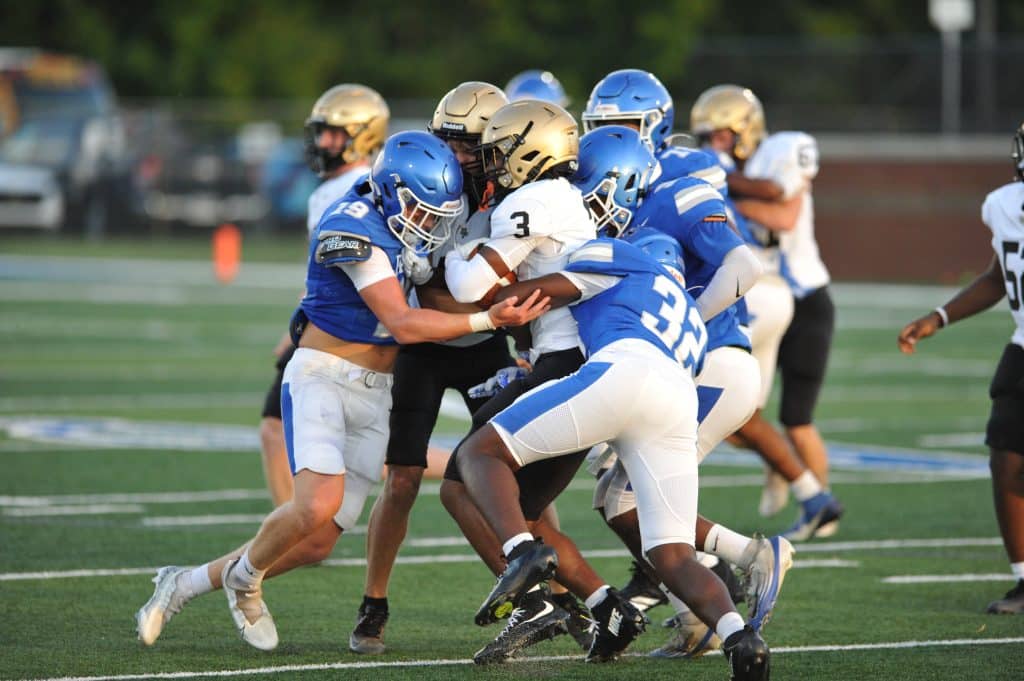
East Laurens was off this past week, and regrouping after an 0-3 start in which its last two got away by a combined nine points after earlier leads. The Falcons will visit Metter for their non-region finale on Friday.
“I feel like we’ll be able to pick some Ws up these next two or three weeks, and I feel like that’ll get the ball rolling for us,” Thomas said.
Coaching up the next generation…
Mitchell, whose son is West Laurens head football coach Kip Burdette, is a retired teacher and coach who spent most of her career at Mary Persons High School. She joined the state association in 2015 after three years helping coordinate the spirit and dance teams at Mercer University, during the school’s first few years re-establishing its football program.
She and co-founder Tanya Anderson were inspired to create the Student Athlete Advisory Council at the encouragement of NFHS leaders the first year that the GHSA gathered a group of student athletes to attend its annual conference.
“It’s probably my favorite thing I do at that job,” Mitchell said.
As with any new venture, it took some time for word about the program to spread and interest to build from around the state. But over eight years’ time, the service and involvement opportunity has become a highly sought-after privilege.
This past year, there were a total of 235 to apply.
“That first year, we just took anybody who applied,” Mitchell said. “We tried to make a little council out of it. We’ve learned so much going forward.”
In the years since, the group has been expanded in size to 26 to include a slot for a male and female representative of each of the GHSA’s eight classifications, plus 10 others selected at-large.
Though it’s not a required function, each summer’s Indianapolis summit is one of the biggest and most important events that members of the group get to take part in.
The NFHS-sponsored conference, around in some form since the early 2000s, is an immersive experience that includes leadership training, service opportunities and other activities targeted to current issues and the experience of youth who are active in the fields of high school athletics and performing arts.
“There were 30-something states that brought their boards to the summit, and we had two different countries, Canada and Honduras,” Thomas said. “We learned about different things, listened to different speakers, met new people. It was a great thing. It was one of the greatest experiences.”
The event, which took place this past year in July, is now effectively the kickoff for the SAAC’s activities that run the course of the school year.
“GHSA pays for the flights and getting them there, and the NFHS pays for everything else, so it’s a free trip for these kids,” Mitchell said. “They get to go there and they do some community service there, work with special needs kids while there, a lot of things like that.”
Watching many students hit the ground running at the convention often serves as confirmation that these leaders are some of the best out there.
“They are the cream of the crop across all the schools,” she said.
This past summer, Thomas, NeSmith and others on the council, Mitchell observed, were in their element interacting with fellow attendees right from the jump. By the end of it, NeSmith also stood up to speak in front of a large group at one point during the week’s activities.
“It was great,” he said. “As soon as you got there, we were just talking to everybody. You’re not getting judged or anything, because you don’t know anybody. So it’s just like you talk to everybody, and stuff like that. It was great.”
Subject matter revolves mostly around general leadership topics, with messages and exercises geared toward helping young athletes realize their position of influence, and learn how to use it in a positive way. But the summit also delves into issues surrounding mental health and balancing the pressures and challenges related to school, athletics and life, communication and relationship-building strategies, social media responsibility and brand-building.
These learning experiences, and opportunities to meet people from all over the country and world, make it an eye-opening experience.
“It just shows you that everybody has the same goals and stuff, and you’re not any different from people around the world,” NeSmith said. “We met people from Canada and Honduras, and they’re all the same. It’s just cool.”
The SAAC, through its years of existence, goes on to organize the GHSA’s own state-level version of the conference as a resource for similar student leaders around Georgia. It takes place each March at the Macon Coliseum.
“These kids do the whole thing,” Mitchell said. “They organize it. They come up with topics.”
“All the schools get an invite,” Thomas said. “They get to bring a few athletes from their school. We come and we all get together and we listen to different speakers and we talk about how to be a better leader, and things we can do to make an impact in our communities and our athletic departments.”
The group plays a role in a number of other activities and outreach efforts over the course of the year, as it meets virtually on a monthly basis, and gets together in-person at least once a semester.
Their gatherings are a forum through which certain concerns or needs can be brought to the attention of state decision-makers.
“It’s fun to get their perspective, and sometimes we use that,” Mitchell said.
That communication link works the other way as well, with these students serving as a first liaison for the GHSA on their campuses, where many athletes’ only impression of the organization is through game officials who wear its logo.
“I didn’t know as much about what the GHSA did until I was there,” Mitchell said. “So we’re trying to kind of give them an understanding of what the GHSA does.”
Members also volunteer to help out at certain state championship events, help run the GHSA Instagram account and serve as the selection committee for a few annual contests, including one to present a small- and large-division student section of the year award.
“They watch those videos that are sent in and they vote on that,” Mitchell said. “They do such a good job.”
In the near future, the SAAC will also play a key part in helping roll out a new sportsmanship initiative first pioneered by state leaders in Texas. And amid an officials shortage, and the rise of unsporting incidents statewide, there’s never been a greater need to do everything possible to encourage players, coaches and fans to be intentional about prioritizing class over the competitiveness.
“These kids were introduced to it at our last meeting, and they’re going to be instrumental in helping us decide which way we need to go in a lot of these things, and how we’re going to implement this across the state,” Mitchell said.
The SAAC has plenty of alumni who have gone on to do big things, including many to go into education and become college athletes and coaches. At least a couple have become part of nationwide student athlete leadership boards representing some major universities in college.
Mitchell is consistently amazed at the caliber of dreams and ambitions held by the students who come through the program.
“I think most of them don’t think they’re going to play ball at the next level, or know that that’s maybe not what they want to do professionally, but I think they are so much more broad-thinking than I had ever thought about being, about the things they want to do,” she said. “When they all share their thoughts, it’s just amazing to me. I did not think like that as a kid.”
The experience has left her highly encouraged about this state and country’s next generation, and even more convinced of the importance of high school sports in its training and development, as well as the value of this investment in helping those future leaders become their best starting in high school.
“They’re already independently just doing all kinds of things on their own, but I hope that this is going to be a way to help develop and find different ways to make them successful, maybe broaden their thinking,” Mitchell said. “Of course, this looks great on a college application, to have been a member of this and been selected out of a large number of kids to serve. It just gives them some opportunities to see other places to serve.”
Author
Related Articles
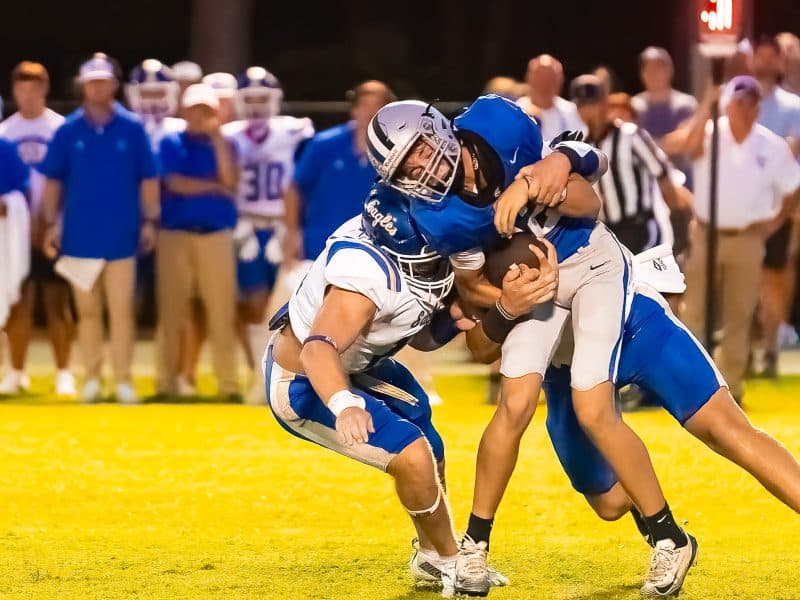
Big plays put Brentwood up by a lot early; Trinity closes well, but can’t climb back
The Crusaders, facing the two-time defending AA state champs on homecoming, put up a valiant effort but couldn’t fight out of Friday’s early hole.
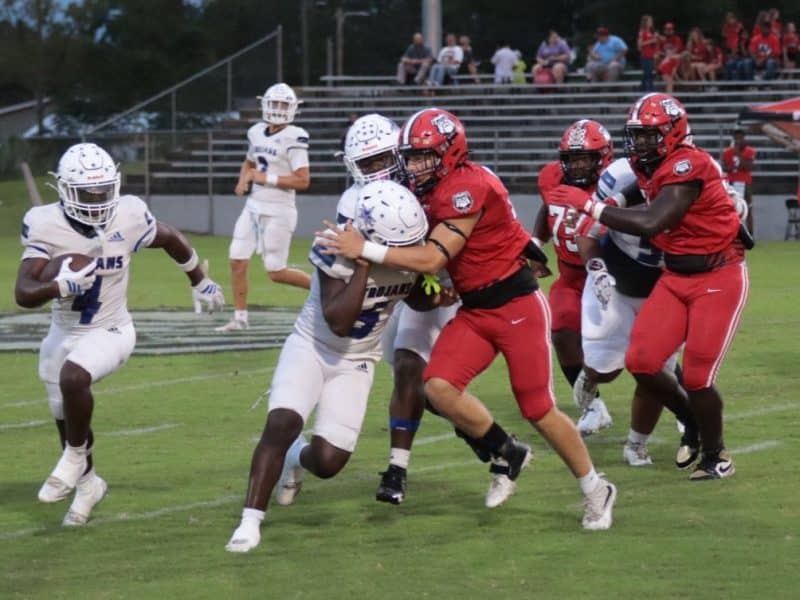
Backfield goes berserk, Devero picks two passes as Johnson County wins third-straight at Wheeler County
Jeremiah Scott, Jeremiah Taylor, Kelsey Waters and Daezon Devero were among the many Trojans who shined in a third-straight win Friday in Alamo.
Dublin returns to form, resumes winning ways at Washington County
The Irish got things back rolling on the ground, and were adequately dominant on the defensive side as they collected a road win to wrap up non-region play with a 3-1 record.