
MoCo Board of Commissioners Adds LHOST to State Referendum
The Montgomery County Board of Commissioners voted to add a Local Homestead Option Sales Tax (LHOST) referendum to the Georgia state legislature’s June special session during their monthly meeting on June 8.
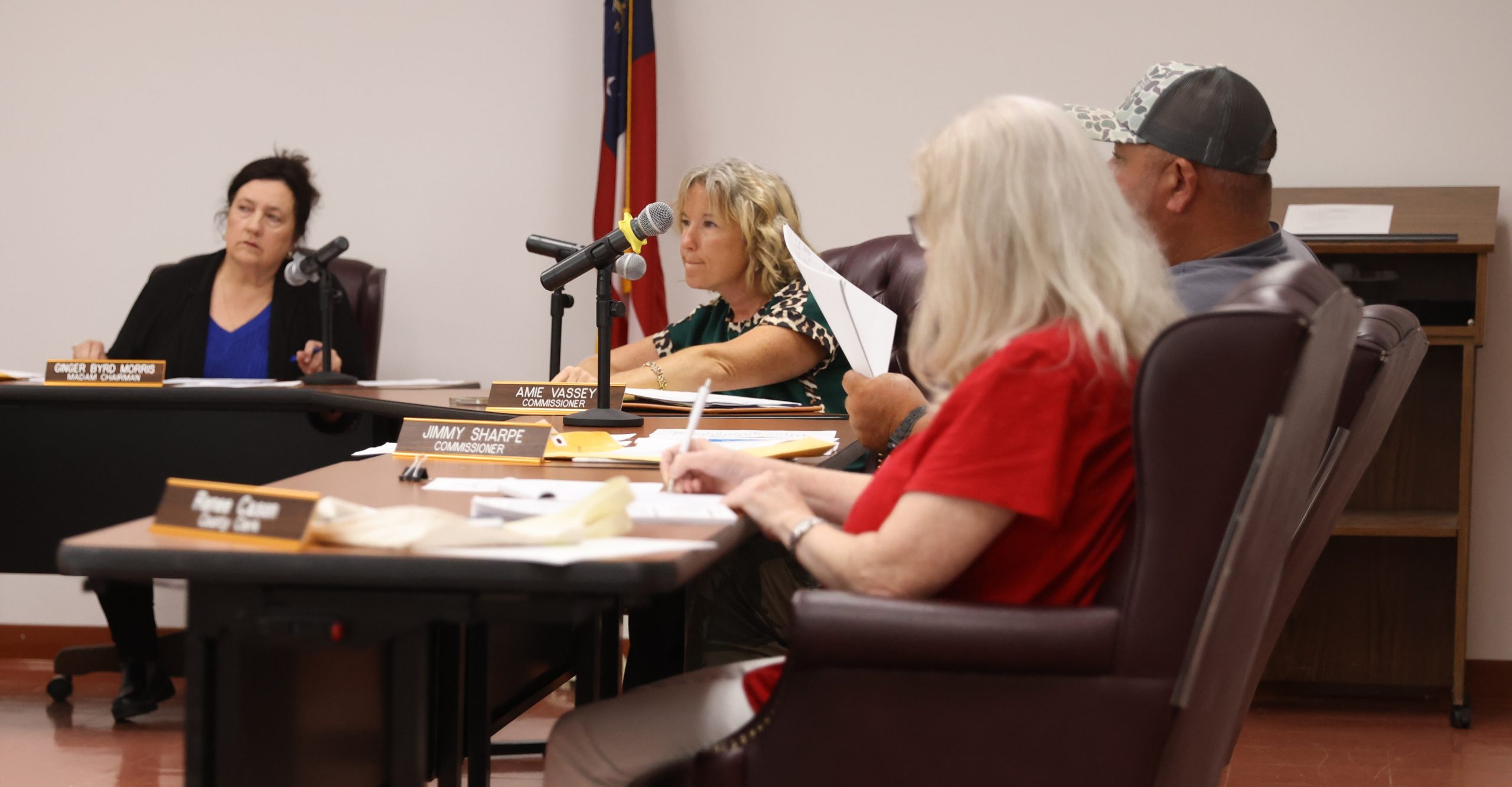
The Montgomery County Board of Commissioners voted to add a Local Homestead Option Sales Tax (LHOST) referendum to the Georgia state legislature’s June special session during their monthly meeting on June 8.
On June 3, Georgia Gov. Brian Kemp amended the call for the state’s June 2026 special session, scheduled for June 17, to allow local governments to ask for state action in implementing local sales taxes for property tax relief. These sales taxes come as Georgia lawmakers consider moving away from property taxes as the main source of funding for government services.
“This is the state effort to slowly start moving us away from a… property tax revenue model, and slowly inch towards a sales tax revenue model to be able to fund our county,” said Commissioner Amie Vassey.
With the governor’s amendment, the Montgomery County Board of Commissioners debated whether to pursue LHOST or to implement a Floating Local Option Sales tax (FLOST).
“I know lots of times citizens get alarmed anytime we start talking about adding new taxes, [be]cause nobody wants to be taxed,” said Vassey. “I’m anti-tax all the way, but we know at the end of the day, counties have core services that must be funded some type of way. Sheriff’s Office, EMS, Fire – all of the things that we want to be able to rely on.”
LHOST consists of a flat one percent sales tax, with the funds generated used for property tax relief for homestead properties first. Any excess funds after the relief may be used for a general rollback on all properties.
Local governments cannot implement LHOST on their own, as it requires state action first. Local governments must obtain a Local Act from the General Assembly and hold a local referendum before LHOST can be levied.
LHOST also has a maximum term of 10 years before a local government must repeat the implementation process.
Alternatively, FLOST is a sales tax consisting of increments of 0.05 percent, up to one percent. These funds apply tax relief to all properties, without priority to homesteads.
FLOST does not require state action to implement, only requiring an intra-governmental agreement between counties and cities to determine how funds will be distributed. However, FLOST has a maximum term of five years, and reimplementation does require state action.
LHOST and FLOST cannot be implemented alongside each other, nor alongside other sales taxes such as OLOST and MOST. Both are also subject to a nine percent sales tax cap.
Commissioner Leland Adams offered a motion to place LHOST on referendum, which passed unanimously.
“Citizens will make the final call,” said Adams.
Residents will be able to vote on the issue during the November 2026 voting period. If passed, LHOST will go into effect on January 1, 2028, with tax relief applied in the fall of that year.
In other action items during the June 8 meeting, the board renewed an inmate detail agreement and a contract with Middle Flint Behavioral Health, approved a budget agreement with the Department of Family and Child Services (DFCS) and reappointed board members to the DFCS board and the Region 5 EMS Board.
The board also voted to re-advertise bids for two new RFP graders after complications from previous bids.
Related Articles
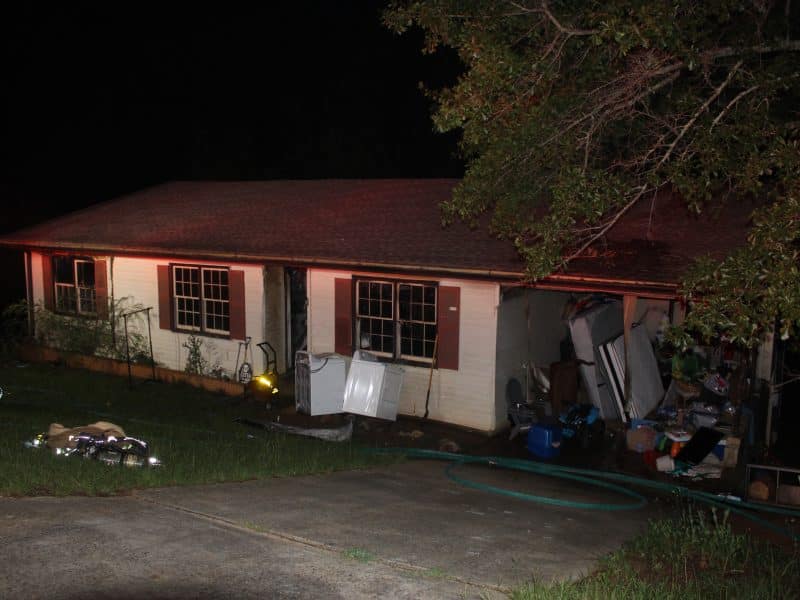
Unexplained fire investigated, Dublin chief talks about importance of smoke alarms, fire evacuation plan
Fire officials looking into a blaze that started from a house without power.

Soperton City Council Pivots to Pay Scale Discussions for Police Shortage
The Soperton City Council shifted discussions away from salary raises in favor of reviving discussions of city-wide pay scales as a method of alleviating a shortage of local police staff.
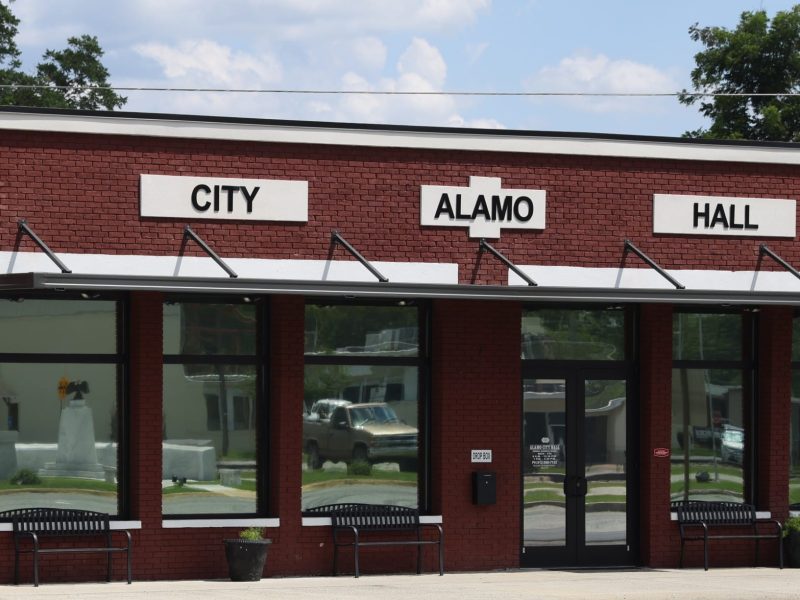
Governor Approves $943,359 in Grants Funds to Alamo Street Project
Georgia Gov. Brian Kemp and the State Road and Tollway Authority (SRTA) approved $26 million in funding for Georgia Transportation Infrastructure Bank (GTIB) grants on June 9, with $943,359 of those funds designated for the Alamo Safe Streets Initiative.