
Montgomery County Schools Introduce Anonymous Tip Line for Students
The Montgomery County School System introduced the Say Something Anonymous Reporting System (ARS) to its student app collection Class Link, allowing students to anonymously report potential threats to school officials.
The Montgomery County School System introduced the Say Something Anonymous Reporting System (ARS) to its student app collection Class Link, allowing students to anonymously report potential threats to school officials.
“It’s just another layer of protection and another layer of added safety,” said Superintendent Dr. Ronda Hightower.
The Say Something ARS is an anonymous tip line for students from fourth grade to twelfth grade to share concerns and information regarding potential threats to their school or their peers, taking the form of an application installed on each student’s assigned Chromebook. The availability of a tip line for students became mandated following the adoption of Senate Bill 268 in Georgia, though the Montgomery County Schools already planned to implement a tip line regardless.
The Say Something ARS was created by Sandy Hook Promise, a nonprofit organization founded to prevent gun violence following the shooting in Sandy Hook Elementary School on December 14, 2012. According to the organization’s website, the ARS has received over 344,000 tips and claims to have assisted over 5,700 students during mental health crises and saved 1,051 lives.
According to the application’s website, the tip line is for reporting “observed threats, behaviors, actions and harassment,” including acts of violence, verbal abuse, physical abuse, sexual abuse, social media threats, bullying, harrasment, depression, hopelessness, reckless behavior, acts of crime, social isolation, substance abuse, self harm or threats of self harm and any other “troubling situation or behavior.”
“This is year 28 for me in education, and the whole time I’ve been in administration, most of the severe scenarios have come my way by way of students letting me know what’s going on,” said Assistant Superintendent Dr. Scott Barrow. “So, they know before we do, because they see the social media posts, they talk to the kids. We know because they’re able to tell us, and if they’re a little bit uncomfortable about that, this is just a different outlet for them.”
When submitting a tip, a student will be placed in contact with a Crisis Counselor, who will review the submission and ask the student follow-up questions to assess the situation. If the student learns any new information afterward, they can update the Counselor via the chat function.
After a submission is reviewed, Sandy Hook Promise staff will contact officials in the corresponding district, including school staff and local law enforcement depending on the nature of the submission.
“If they know of anything, whether it be through social media or through conversation, that has something to do with school emergencies or threats to school or anything like that, they are able to post it anonymously, and then that organization (Sandy Hook Promise) then reaches out to the authorities,” said Dr. Barrow.
According to Dr. Barrow, the application warns students that a false report could lead to criminal investigation to deter students from abusing the system. Dr. Hightower also claimed Montgomery County staff are also trained to assess the validity of submissions and act accordingly.
While the ARS app has been implemented into each student’s Chromebook, the tip line can also be accessed via the mobile app, text messages, a telephone hotline and the tip line’s website. According to Dr. Hightower, there are approximately 950 students in the Montgomery County School System, each of whom have been issued a Chromebook.
Related Articles
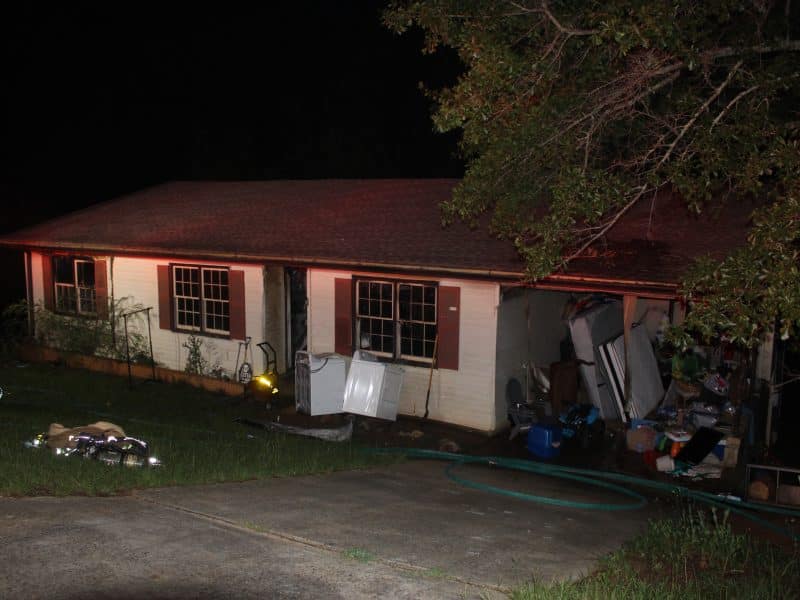
Unexplained fire investigated, Dublin chief talks about importance of smoke alarms, fire evacuation plan
Fire officials looking into a blaze that started from a house without power.
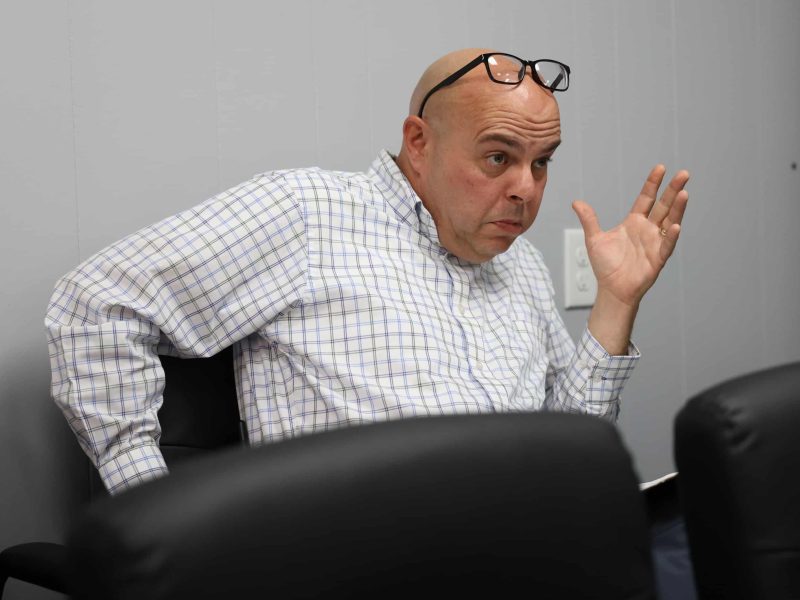
Soperton City Council Pivots to Pay Scale Discussions for Police Shortage
The Soperton City Council shifted discussions away from salary raises in favor of reviving discussions of city-wide pay scales as a method of alleviating a shortage of local police staff.
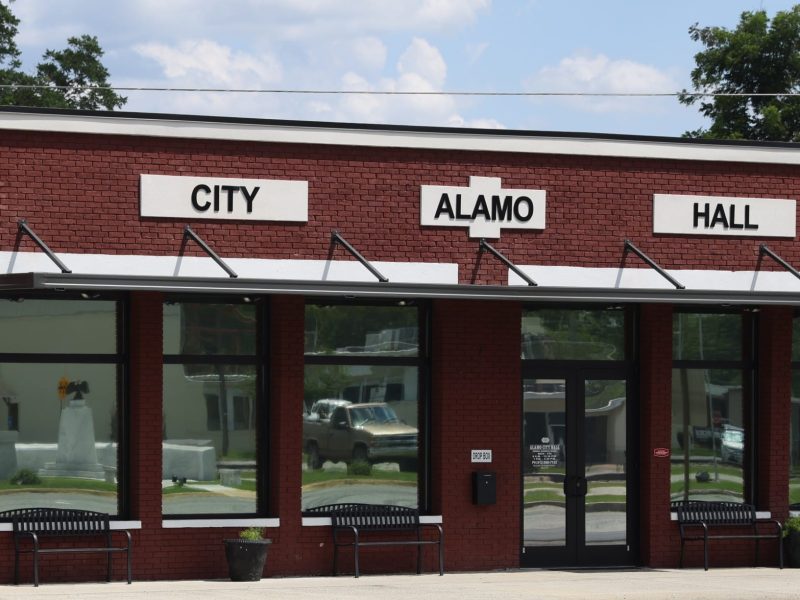
Governor Approves $943,359 in Grants Funds to Alamo Street Project
Georgia Gov. Brian Kemp and the State Road and Tollway Authority (SRTA) approved $26 million in funding for Georgia Transportation Infrastructure Bank (GTIB) grants on June 9, with $943,359 of those funds designated for the Alamo Safe Streets Initiative.