
Hospice care meets more than just medical needs. Here’s how.
While there have been doctors and nurses caring for people with terminal conditions since the beginning of the organized practice of medicine, modern hospice care can be traced back to the 1960s.
While there have been doctors and nurses caring for people with terminal conditions since the beginning of the organized practice of medicine, modern hospice care can be traced back to the 1960s.
What most people understand as hospice care started with English nurse and physician Cicely Mary Strode Saunders. Saunders, who was also a social worker, researched pain and symptom management in patients facing cancer and other terminal illnesses and conditions. In 1967, she established the world’s first practice dedicated to hospice care, a center that focused on the physical, social and spiritual needs of patients as well as those of their family and friends.
That level of care has been the focus of hospice practitioners ever since.
“It’s a level of care they just can’t get anywhere else,” said Jennifer Dickerson, a veteran nurse and executive director of Remarkable Hospice in Dublin. “People get aggravated with doctors sometimes because of their tests and exams, but they are there to cure. They didn’t go to school to care for an individual but to solve the problem.”
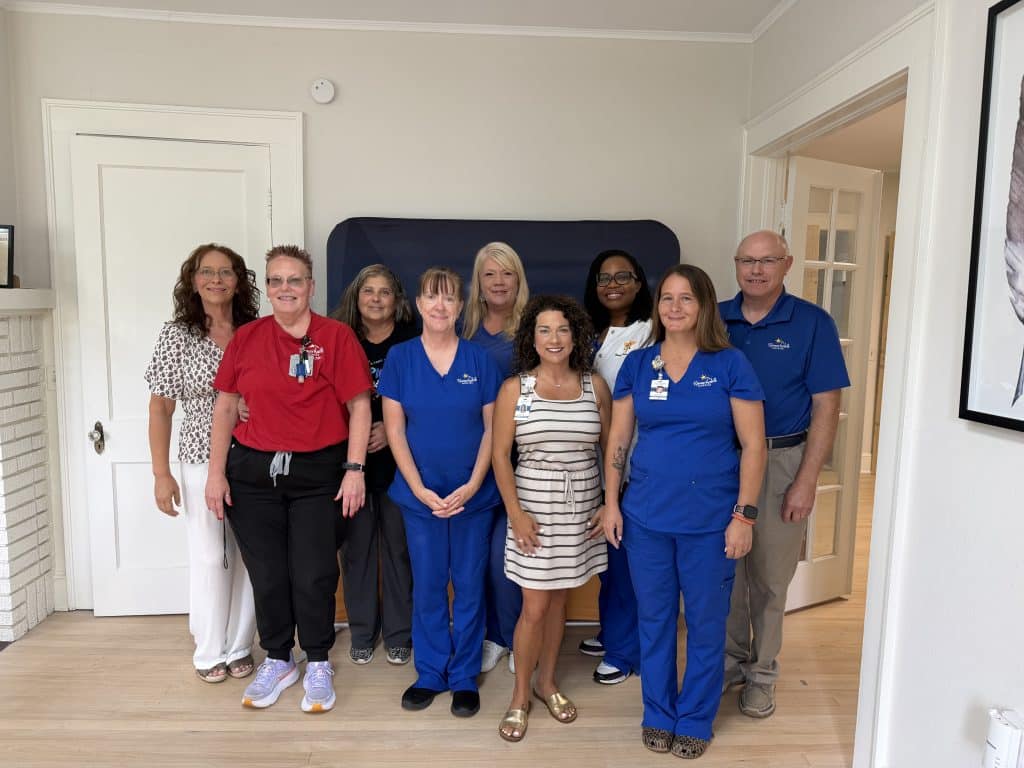
Dickerson has worked as a nurse since 1996. After working in a hospital setting and intensive care units, she transitioned to hospice care in 2012. Remarkable Hospice opened in Dublin in 2022. She took the helm of the office a year later.
Remarkable Hospice has a team of about 24 staff members, mostly registered nurses, trained in hospice care, and certified nursing assistants, who work to provide a mix of medical and emotional support. The practice also employs a pastor, social worker and volunteer coordinator.
The goal of hospice care is not to just help patients, mainly those in the waning months of life, manage their symptoms but also to holistically approach their circumstances to provide the highest quality of life while supporting the families.
“The emotional support is probably more important than the medical support,” Dickerson said. “Families are scared; they want to know what to expect. Patients are scared, because this is the end of their time. That’s why we pull together everything we can.”
Hospice care is generally prescribed for patients with a terminal diagnosis with a life expectancy of six months or less. While hospice cases are typically short term, there are exceptions. Dickerson reports cases where patients received care for a year or more, and others where the patient improved enough to be released form such care.
Hospice care comes in many forms from managing medications and conditions to assistance with hygiene and personal care. The social worker ensures patients are taking advantage of any assistance program available while the pastor assists with spiritual needs, like times of prayer and study, and helping patients arrange special religious customs, such as last rites. All of these duties are coupled with a simple, sometimes overlooked task – spending time with patients.
“A lot of the time, people are lonely. Some people look forward to us coming,” Dickerson said, noting that many families struggle to balance the stress of daily life while caring for a sick loved one.
Many hospice facilities, including Remarkable Hospice, maintain a pool of volunteers for this purpose – people who can simply visit patients and keep them company. Nursing schedules also allow ample time for staff to get to know the patients as well as check in with the family.
“People genuinely run out of time. It’s not that they don’t care. Families are busy, they have jobs, they have kids of their own to take care of. Communication is key to the process, maintaining patients’ wishes, keeping families informed. We’re counseling and guiding.”
Remarkable Hospice currently only provides in-house hospice care. The company serves about 50 patients at a time in a 60-mile radius of Dublin.
Dickerson has ambitious plans for the business, hoping to branch out into palliative care, a care plan where patients with life-threatening conditions can still seek treatment, and establish a hospice house in the area, providing 24-hour patient care.
Author

Related Articles
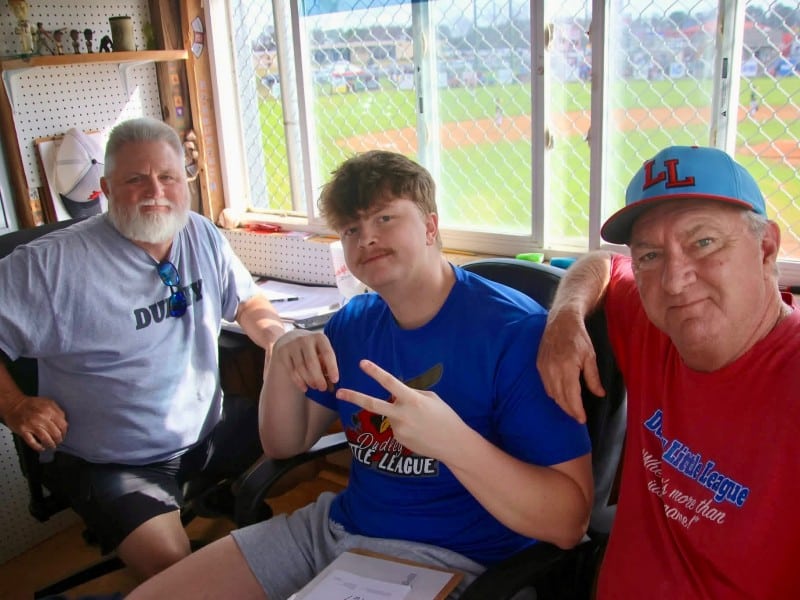
Dudley Little League family remembers longtime icon Bobby Locke as ‘life of the party’
The loss of a beloved member of the league’s founding family in April has left many across the town, and its larger baseball and softball community, with heavy hearts as the 2026 season has wound down.
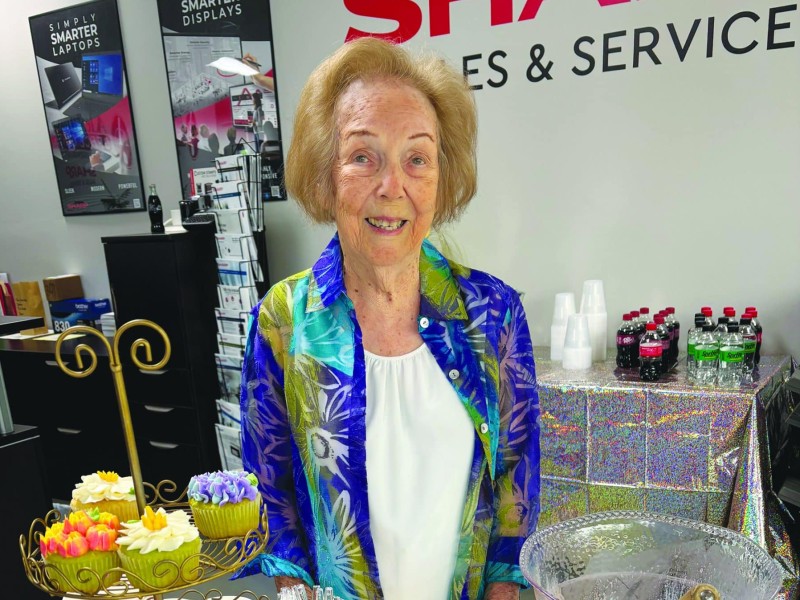
Local entrepreneur, community champion Geva Alexander turns 99
As the owner of Alexander’s, Geva became one of the first successful businesswomen in Dublin. And she never officially retired. She goes to the office most afternoons and greets customers.
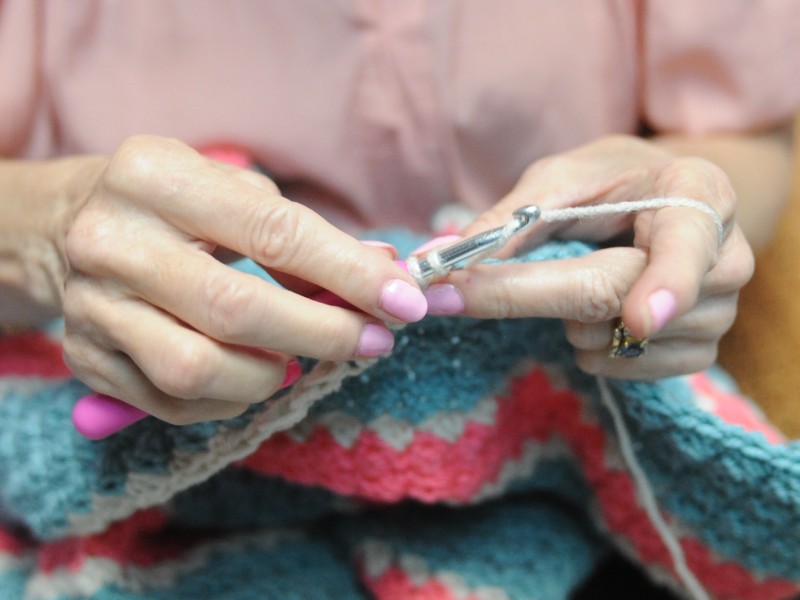
Sharon LeRoy spreads love one blanket at a time
One Dublin woman, Sharon Puckett LeRoy, picked up crocheting during the pandemic. It was an activity she remembers learning as a little girl, taught by her mother who was well skilled with thread and yarn; but, like many childhood habits, she set it aside for other pursuits.