
State school chief using Dublin financial crisis as ‘blueprint’ for sweeping reforms
Woods said it is “essential that students, teachers, staff and families do not bear the costs of financial mismanagement.”
This story was updated Friday, Oct. 17.
Georgia School Superintendent Richard Woods is using money mismanagement issues at the Dublin City Schools as a blueprint for “sweeping reforms” he’s proposed to provide more oversight for how local school boards handle their fiscal responsibilities.
The reforms directly target issues related to the debacle in the Dublin district, which faces a $13 million deficit and last month borrowed a $1.4 advance in funding from the state to pay expenses and payroll. Woods sent his proposal to legislative leaders Wednesday and hopes to get the reforms passed into law during the next General Assembly.
The proposed changes include requiring that all school boards post online all monthly financial reports and audit findings, and that “high-risk” districts – which Dublin has been for most of the last 20 years – limit superintendent contracts to two-year terms.
In addition, the proposal also seeks to “clarify language” in current law regarding the removal of local school boards and superintendents if a system is high-risk and facing financial default, as well as clarity on local and state responsibilities in the continuing school system operations.
Woods also addressed the role the state plays in ensuring that school districts are meeting their financial obligations, specifically making sure they are paying state agencies and entities, such as the Teacher Retirement System and State Health Benefit Plan. The proposal would require that school districts that are three months delinquent be reported within 30 days to the Georgia Department of Education and the state Department of Audits and Accounts.
“Georgia’s students deserve stability in their learning, and teachers deserve to go to work knowing they will be paid for their efforts,” Woods said Wednesday. “Over the last several months, we have seen an increased need for clarification regarding how the state may legally support school districts which do not meet their local fiscal requirements, by updating and expanding state law. I am asking that the General Assembly come together to consider what additional supports are needed to ensure the financial health of local school districts.”
Dublin’s overdue payments to the State Health Benefit Plan first led state officials to look into the district’s finances. That came after the Department of Community Affairs contacted state education officials in mid-August to report the school system owed more than $5 million after not paying employer contributions to the plan the entire previous fiscal year.
The reforms proposed by Woods address three categories: improved financial training; enhanced reporting requirements; and increased stakeholder communication and district accountability.
Woods calls his plan a “Blueprint for Reforms to School District Financial Safeguards.” Here’s some of what he hopes it will accomplish and how:
• Increase transparency of local school district financial reporting.
The proposal would require local boards of education to post online monthly financial reports and other finance-related documents, such as audit findings and board responses, corrective action plans and progress updates. A local board member would serve as a point of contact for financial reporting and monitoring.
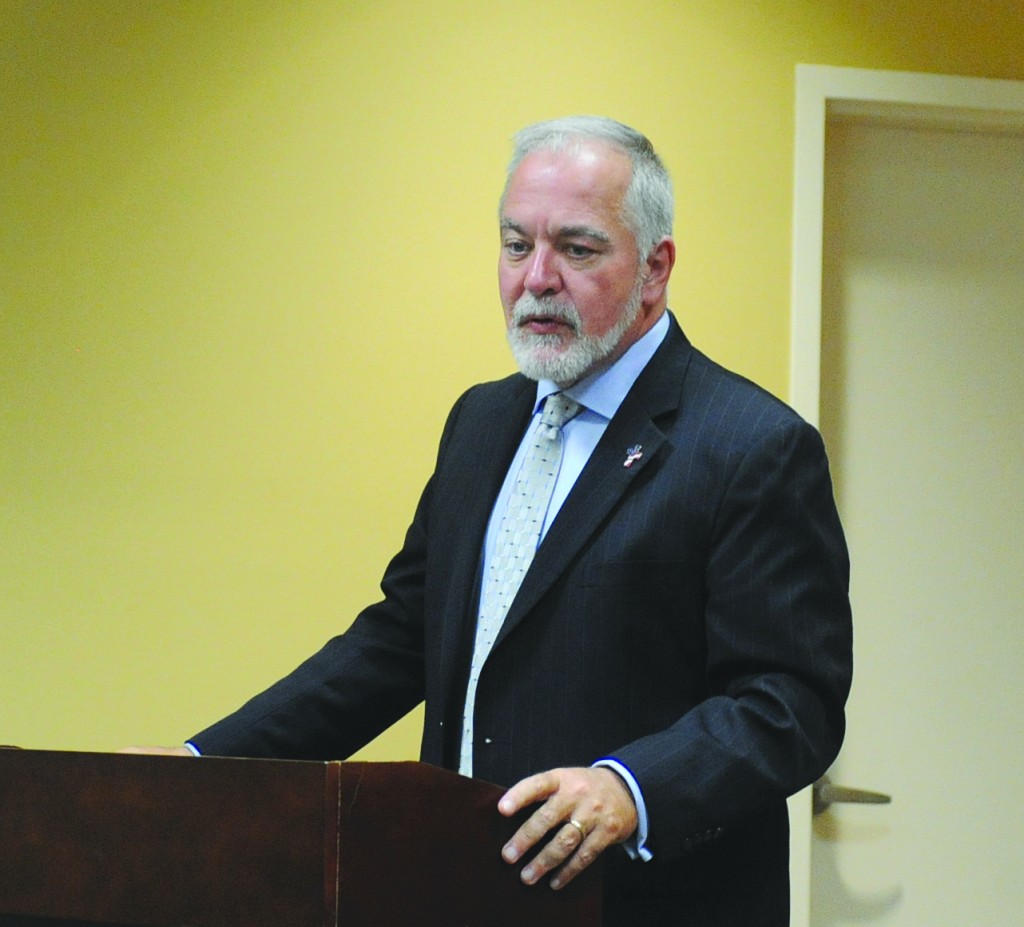
Speaking to the Dublin City Board of Education on Tuesday, Woods said he expects “absolute transparency” from the board as it works through its current financial crisis. However, the board’s track record in that area has been spotty, at best.
Despite operating in a deficit the entire fiscal year 2025, school officials and board members never publicly acknowledged the system’s cashflow shortage, even while voting to approve – and signing off on – monthly reports that continually reflected a deficit, which reached as high as $7 million.
Also, school officials failed multiple times during the past year to respond to media requests for copies of the monthly financial reports and other documents.
•Strengthen accountability.
Districts designated as high-risk for two consecutive years would have to hold mandated annual public hearings. Woods also is seeking clarity on local and state language concerning “local and state responsibilities in the continuation of school system operations and the removal of local school district boards and local superintendents if the district is high-risk and facing financial default.”
The accountability reforms call for limiting superintendent contracts in high-risk districts to two years. The contract of former Dublin Superintendent Fred Williams was a major point of contention for residents and property owners once the financial crisis surfaced, particularly his $60,000 raise that kicked in as part of a three-year contract approved in 2023.
•Enhance reporting requirements and support.
Past-due audits were among the Dublin district’s “operational deficiencies” cited earlier by state officials, who found the school board had not filed a finished audit since 2021. Woods’ proposal hopes to “ensure timely, clean and completed reporting of audits of school districts in coordination with the Department of Audits and Accounts, including penalties imposed if the school district does not meet requirements”.
According to Woods’ proposal, audits not completed within three years will place a district in moderate-risk status and require corrective action plans that include monthly reports. The Department of Audits and Accounts then would be required to conduct follow-up audits within three months of a district’s designation as moderate-risk.
Those moderate-risk systems no longer would be allowed to use an independent auditor, but must use the Department of Audits instead. Prior to COVID, the Dublin school board used the state for its audits, but it and other school boards enlisted private accounting firms to conduct their audits, citing a post-pandemic backlog at the state.
The system recently completed the 2022 audit, which showed the district ending that fiscal year with a fund balance of $5.5 million.
•Strengthen mandated financial training.
Woods wants to require and expand financial training opportunities for local school district staff and local school boards, but through a cross-collaboration to include state agencies and departments, and as well as education organizations such as the Georgia School Boards Association. The proposed reforms also would require specialized financial training for districts labeled as moderate- and high-risk to include their superintendents, chief financial officers and local boards of education.
The Dublin district is currently without a finance director following Chad McDaniel’s resignation in late August. McDaniel had been the system’s director of technology/student information before he moved to finance and business operations in 2022. He was promoted to finance director after the retirement of Christi Thublin in 2024.
Also on Tuesday, the school board approved a deficit reduction plan but has yet to respond to requests for copies of the plan. Woods told the board that he needs a “viable” plan from the system before he requests another advance in state funding to keep the schools in operation.
“The financial health and solvency of any school system are the responsibility of the local superintendent and board of education.The Georgia Department of Education is currently providing support beyond its fiscal and statutory obligations in an attempt to ensure stability for the students, teachers, staff and families of Dublin City Schools,” Woods said Wednesday.
“It’s essential that students, teachers, staff, and families do not bear the costs of financial mismanagement – anywhere in the state, now or in the future,” Woods said. “I believe we can work together to put additional guardrails in place to ensure stability in the education of our 1.7 million students across the state, and I appreciate the attention of our partners in the Georgia General Assembly to these recommendations.”
Author

Related Articles
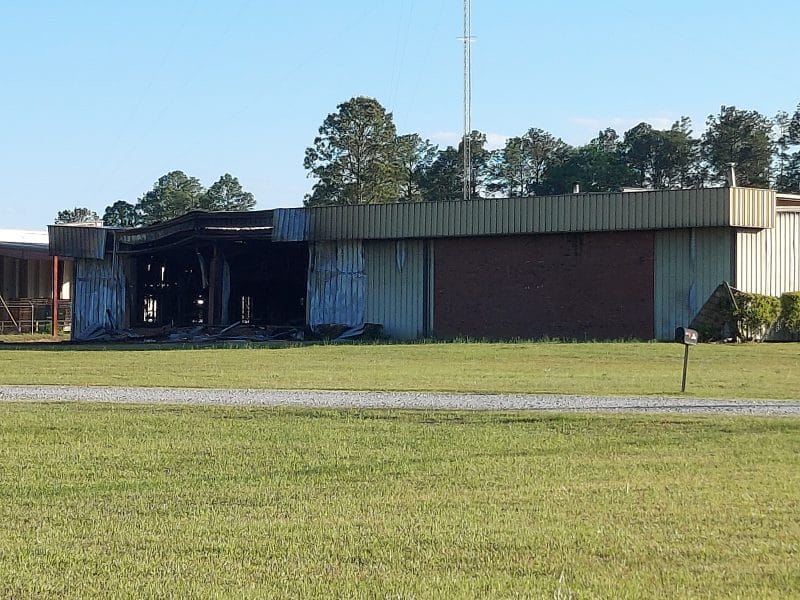
Investigators say business blaze was ‘intentionally set’
Local and state fire officials have classified last weekend’s blaze for business as arson.

Five graduate from local drug court
Five men recently completed the Dublin-Laurens Drug Court, a program that is tough to complete.
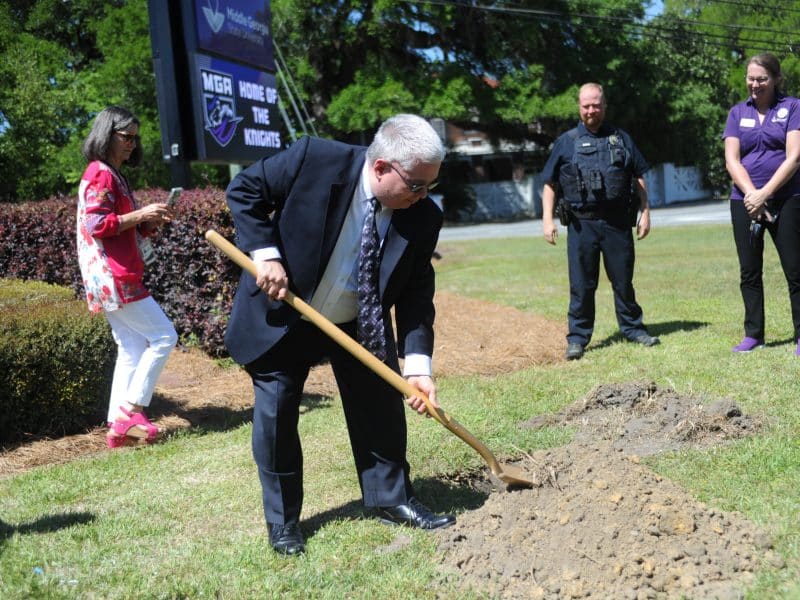
MGSU buries time capsule to be dug up in 39 years
MGSU buried time capsules at their campuses with plans to dig them back up in time for their 50th anniversary on July 1, 2065.