
‘Waste and abuse’ of funds by Dublin City Schools confirmed by special state audit
The special state audit looking into finances of the troubled Dublin City school system names potential waste, overstaffing and a lack of proper budgeting processes for the district’s dismal financial state, and that system officials used the influx of COVID-era cash to keep the system afloat.
The special state audit looking into finances of the troubled Dublin City school system names potential waste, overstaffing and a lack of proper budgeting processes for the district’s dismal financial state, and says that system officials used the influx of COVID-era cash to keep the system afloat.
“Our examination of the Dublin City School System (the School District) identified purchases that raised concerns about potential waste and abuse of public funds, along with weaknesses in staffing and compensation practices,” the report, conducted by the Georgia Department of Audits and Accounts, concluded. “While the use of temporary COVID funds to support ongoing personnel and operating expenses masked these problems for years, the issues ultimately resulted from absent or weak expenditure controls and deficient budget processes.”
The much-anticipated report, released late Wednesday, confirmed what has already been identified as the cause of the city schools’ financial woes, overstaffing; hefty salaries; and lax oversight. The report, published in full here and also available below, noted four specific deficiencies within the school system: Potential waste and abuse, overstaffing, excess personnel costs and the use of temporary funds for ongoing expenditures caused by “weak and/or absent expenditure controls” and “deficient budget development processes.”
The school system has spent the better part of a decade languishing in financial turmoil. The true state of the district’s financial state came to light in late August after state officials notified district leaders of a $6 million debt to the State Health Benefit Plan and a projected $13 million budget deficit.
The revelations led to the resignation of former finance director Chad McDaniel and the early retirement of superintendent Fred Williams. Members of the Dublin City Board of Education have long attested that they were kept in the dark about the true extent of the budget crisis. The report noted that the poor budgeting processes led to “significant variances and the presentation of inaccurate financial projections to the Board of Education.” However financial documents filed with the state, and signed by board members, showed a deficit much of last year.
As part of its deficit reduction plan, the school district cut more than 50 positions, including more than a dozen teachers. Five have filed suit against the school system. Superior Court Judge Jud Green heard the first complaint last month and has yet to issue a verdict. A ruling for the plaintiff could spell disaster for the school system’s effort to remain financially viable.
The special audit reviewed expenditures through fiscal year 2021 to 2025 and identified several items that “lacked documented justification” and “often exceeded what would be considered reasonable or necessary” for a school system the size of Dublin’s. Specific concerns were:
-Costs for out-of-town leadership retreats unrelated to education goals that included permitted family member participation at the expense of the school system
-Payments to a florist with no documentation to justify the purchase
-Late IRS payroll tax payments leading to penalty and interest payments
-Travel expenses that lacked evidence of meeting district needs
The report also raised concerns over credit card activity, saying that credit card use was “abnormally” high, creating a risk for abusive spending.
Also identified was the contentious solar panel agreement, costing the school system about $300,000 annually through 2037. It noted that the school district has not verified that the panels, installed outside Dublin High School, have achieved their anticipated energy cost savings or are even operational.
In staffing, the report showed that the Dublin City School System had more non-state funded positions than school systems of comparable size. In 2023, 23 percent of DCS staff were funded through non-QBE sources, compared to 7 percent in similar-sized school systems. That figure remained at 16 percent in 2025, compared to 10 percent. Highlighted in the report was that the school system employed two CFOs or finance directors, two maintenance directors and two public relations staffers. Some of those positions have since been eliminated.
Residents have long complained of the school system’s top-heavy pay structure and the audit confirmed that the city schools shelled out more funds for employees than peer systems. On average the school system paid over $1 million more for central office staff than comparable school systems; more than $2 million more for instructional staff; and about $750,000 more for operational services. Topping the list was the superintendent role, which was compensated an average of about $237,000, over $60,000 more than other school systems.
Keeping the school system running, the report concluded, was COVID relief funds, which masked budget problems that began in 2012.
“The School District used temporary COVID funds to pay for ongoing personnel and operating expenditures and did not appropriately plan or budget for the expiration of these funds,” the audit reported. “This practice temporarily masked preexisting budget deficits and contributed to the reemergence in subsequent fiscal years.”
The report showed that the school district received over $19.7 million from The Elementary and Secondary School Emergency Relief Fund. The funds were used to cover existing costs, mostly salaries and benefits, from FY 2020 to FY 2024.
The report cites a myriad reasons behind the budget crisis including lack of processes and sufficient approval procedures and poor management. Furthermore, budgets were approved without accurate information being presented to the board.
“Our review of the budget development process revealed that budget assumptions were not supported by evidence or reconciled to known personnel and benefit obligations, resulting in significant variances and the presentation of misleading financial projections to the Board of Education,” the report said.
Board meetings seldom include public discussion of school system finances and spending practices.
The school system responded to the report in a Wednesday press release. “We are extremely grateful to the Georgia Department of Audits and Accounts for this deep dive into the causes of our current situation,” said Interim Superintendent Marcee Pool in the release. “Diligent doesn’t begin to describe how we are working alongside our financial advisors, the Georgia Department of Education, the DOAA, and state officials to address every item outlined in this report and to implement best practices at every level to protect the district’s financial stability and ensure its integrity moving forward.”
– Staff reporter Rodney Manley contributed to this report
Author

Related Articles

Sworn in: New Dublin councilman, returning members take oaths
Brandon Chain raised his right hand and placed his left hand on the Bible that was held by his mother, county commissioner Brenda Chain, as he was sworn in to an at-large seat on the Dublin City Council last week.
Developer footing bill for raised crosswalk near apartments on Woodlawn
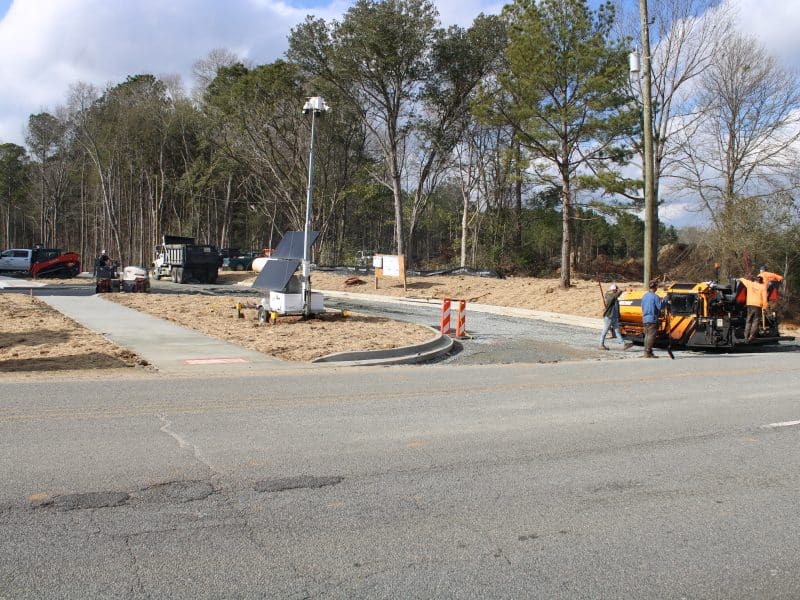
Work will soon begin for a raised crosswalk across Woodlawn Drive, that will take about a week to complete once construction begins.

Local faith organization kicking off new year with events
A local coalition is ready to kick off events for 2026.