
City school board wants out of solar panel lease
The Dublin City Board of Education is exploring ways to quit its controversial lease of the solar panels at Dublin High School, among other cost-cutting measures in its 2026 budgeting process.
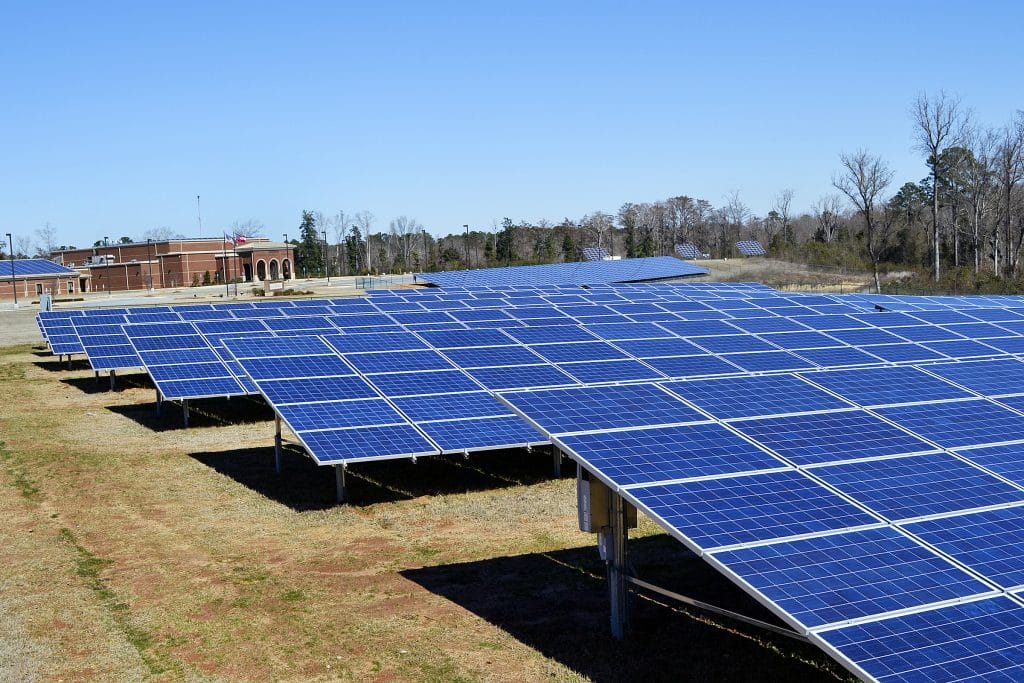
The Dublin City Board of Education is exploring ways to get out of its controversial lease of the solar panels at Dublin High School.
The subject was raised during last Thursday night’s budget workshop, and Superintendent Fred Williams shared with board members that the contract and all pertinent documents have been sent to attorneys for review.
“I absolutely want to get out of it, and I don’t want to pay them another penny,” said board member James Lanier. “In fact, I want to sue them.”
The panels were provided in 2013 by Mage Solar – the now-defunct German company that briefly opened a plant here in Dublin – but were financed through the installer of the panels, Greenavations Power Dublin LLC. The idea was to use special sales tax proceeds to offset energy costs. However, when working, the panels were only saving the school system $100,000 in electricity costs each year but costing $300,000 in annual payments.
The solar panels had been predicted to save $3.5 million in energy costs over the course of the 25-year agreement. However, with interest and fees, the Dublin City Schools will have paid close to $7.5 million by the end of the lease in 2037, according to earlier estimates from the Public Service Commission.
“We did all this to help out a local industry,” noted board member John Bell.
“And where’s that industry now?” asked member JoAnna Glover.
Mage Solar opened here with the promise of bringing 350 jobs after receiving a $1.25 million grant and millions of dollars in other incentives, but never reached more than about 50 employees and never produced a solar panel at its Dublin facility.
The school board is looking for cost-cutting measures after a long overdue property revaluation dramatically increased the city and county tax digests. The board rolled back its millage rate, but not enough, resulting in a 25 percent increase in school taxes that drew public outcry from property owners who felt the system’s payroll structure was too top-heavy.
One savings measure being considered is to change categories of some non-certified positions – such as clerical, custodial, food service and paraprofessionals – to contracted workers rather than full-time school system employees.
Finance Director Chad McDaniel explained that the school system’s share for state health insurance will increase to more than $1,800 per employee per month – almost double from just a few years ago. Only about half of the non-certified employees take the insurance, which requires employees also pay a monthly share.
If contracted, the employees would receive a $15 per day attendance, instead of the health benefits.
McDaniel said benefit costs add up, at about $24,000 each year – on top of salary earnings, which for some positions are less than the benefits.
While board members all appeared open to the idea, Chairman Kenny Walters wanted to see cuts to some of the higher-paid positions.
“A lot of our complaints and our concerns are the people getting the high salaries. … We’re going to look like we’re jumping on the little man.”
Lanier agreed, saying, “If we’re coming in with this sort of broad cut, that broad cut needs to cut everyone. I understand that these people cost us more money.”
The school board plans to hold another budget workshop this week at the Georgia School Board Association Conference in Savannah, then approve a tenative budget to advertise when it meets June 9. It must then hold two public hearings before adopting a final budget, when must be done by June 30.
Author

Related Articles
Tax relief, mega-site investment among legislative highlights for Dublin-Laurens County
New laws should reduce property, income taxes.

Pastor, pharmacist Chad Potts reflects on two years of podcasting
Pastor, pharmacist and podcaster Chad Potts shares what he has learned after two years of producing the RevRX Podcast.
City council approves adoption of driver safety plan
Dublin City Council approved a new safety plan they hope will improve the driving in downtown.