
COLUMN: Can we reclaim the true spirit of Labor Day? Recognizing the workers who don’t clock out during the holidays
Labor Day’s origins lie in activism, and today, the celebrations are less a recognition of those movements and instead honor the freedoms that allowed that activism to happen.
Over the three-day weekend, I came home to be with my family down in Alabama. I decided to use Monday this week as an opportunity to get ahead on my work (like many journalists, I’m still learning what work-life balance is), so I made my way to a coffee shop. I was expecting to have some sort of difficulty since it was Labor Day, but as I made my way downtown, I quickly realized that almost every storefront I passed was open.
My initial reaction was relief. Thank goodness I have a place to get some work done and focus! But after talking to the baristas, I realized the imbalance regarding who gets off for Labor Day. While many folks go eat BBQ and head to the beach — disproportionately, it seems, white-collar workers — there are still service workers who are on the clock to ensure those vacationers have an idyllic holiday weekend. I’m not exempt from the white-collar worker category. It’s entirely on me that I decided I’d work anyways.
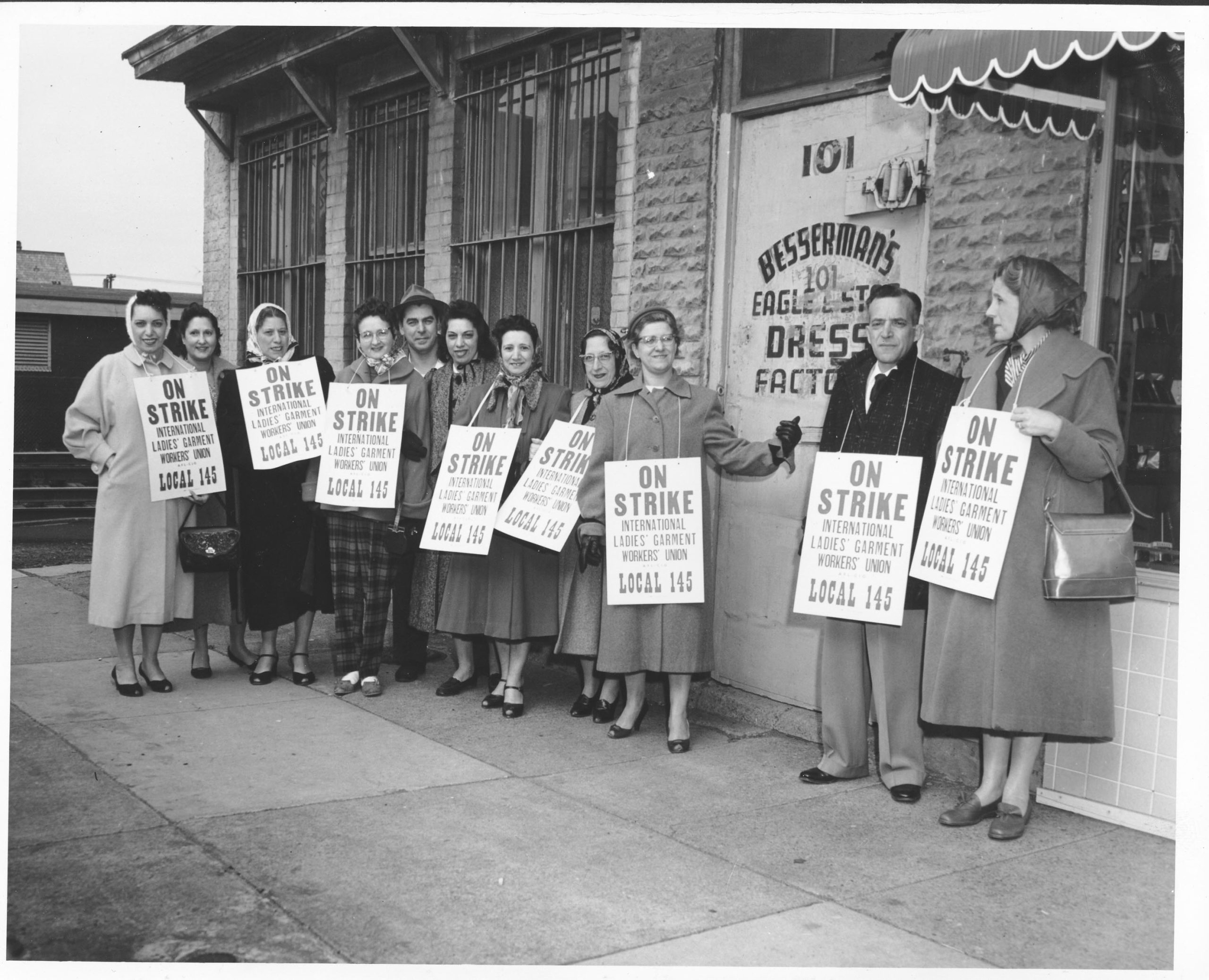
When Americans first started recognizing Labor Day, prior to being a national holiday, they took unpaid time off work, risking their employment to advocate for better working conditions, fair wages and lower hours. Like many U.S. holidays, its origins lie in activism, and today, the celebrations are less a recognition of those movements and instead honor the freedoms that allowed that activism to happen.
There isn’t anything inherently wrong with that, in my opinion. It’s natural that a national, annual day off work at the end of summer ended up being devoted to sales at big stores and enjoying hot dogs on the beach. But what it’s led to is a diminished message rooted in labor rights activism.
I’m certainly not a revolutionary thinker for these considerations. While researching for this column, I learned from a 2007 New York Times article that Samuel Gompers, a founder of the American Federation of Labor, wrote in 1907, “Labor Day without demonstrations, parades and meetings will, as sure as the sun rises and sets, lose its distinctive characteristic and simply become a holiday for jollification, without other purpose, design or result.”
My hometown where I visited the coffee shop is a vacation area, making it a hot-spot for Labor Day beach-bound travelers. That means the service and hospitality industries don’t exactly get an opportunity to rest and recognize sacrifices their predecessors made to ensure they’re not working 70-hour weeks and enshrine union protections.
Labor rights movements have certainly had stronger moments in American history, but worker activism has gotten some attention in the last few years. Many folks have likely suffered some annoyance at the inconvenience a strike has caused them at some point in time, but the inconvenience is the very purpose of the strike. They’re intended to snap people out of their routines and make them think about the impact the workers on the picket line have.
My reflection this week gave me a different appreciation for the barista who made my coffee this Monday. Those workers are working to allow me and other folks to have a more enjoyable Labor Day weekend. There are many interesting rabbit holes to go down about the history of labor activism in the United States, a country founded upon resistance to power. Don’t let Labor Day lose its context. Regardless of where you stand on issues of unionization or labor rights, it’s worth it to remember how far we’ve come.
Author

Related Articles

Being bad at mathematics comes back to haunt me
I once failed a calculus class in college. Why was I, a future prattler of words, taking high level mathematics?
New Southern Dad: Thoughts on traffic
Does the traffic in Atlanta compare to the carpool line at the elementary school in a sleepy rural town? Yes, yes it does.
New Southern Dad: There are too many flavors of toothpaste
There are two kinds of people in this world – those who are shrewd practitioners of oral hygiene and those who take a lackadaisical approach to brushing and flossing.