
How Glenwood Treats Its Water and Wastewater
Water systems are a necessity for any town big or small, and from the perspective of the city of Glenwood, their water treatment facilities are more than capable of handling the task for the local area.
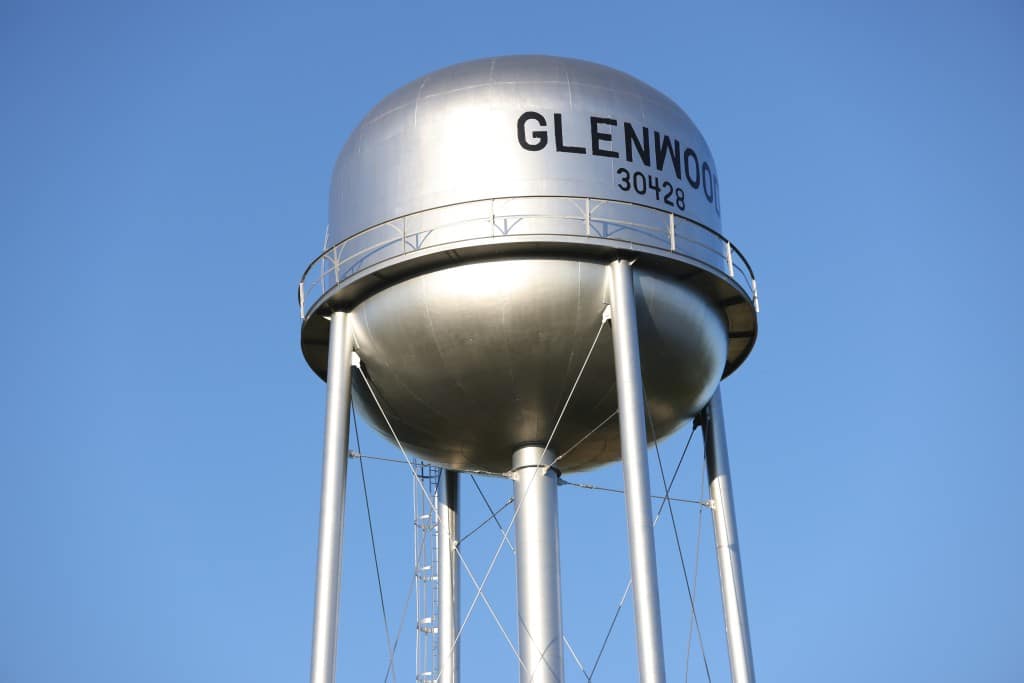
Water systems are a necessity for any town big or small, and from the perspective of the city of Glenwood, their water treatment facilities are more than capable of handling the task for the local area.
The city’s water system is a major expense the city loses over $800 on each month. Tindell Enterprises, who operates the water system, is paid $3,891.24 each month; the United States Department of Agriculture (USDA) is paid $4,452 for an ongoing loan; Georgia Power, who conducts software readings, is paid $1,221.32; and a utility clerk is paid $1,760.
These expenses, combined with several monthly utilities for the city’s spray field, oxidation ponds, lift stations and well pumps, lead to a total monthly cost of $15,850.99, not counting any necessary repairs. The average revenue for the water system is $15,000 each month.
“We sure don’t make a profit on it,” said Mayor G.M. Joiner.
Glenwood’s drinking water and waste water are kept completely “totally separate,” with “no way, shape or form for cross contamination” according to Jerry Martin, a representative from Tindell Enterprises who helps operate the water system. The entire system processes 110,000 gallons of water per day.
Drinking water is directed to Glenwood’s water tower, which was refurbished in December of 2025. There, the city utilizes an SquaMag system to assist with filtration. The water also is treated with chlorine gas and injected with fluoride, both chemicals monitored to ensure a “fine line” is maintained regarding how much is injected into the water.
For wastewater, the city utilizes a sanitation pond system which has been in use for over 150 years. According to Martin, the basic engineering of the system has remained intact through all those years while receiving modernizations.
When water enters the system, it is placed through a filter designed to catch large solids. Since waste is already broken down in the piping system, these filters primarily catch large objects which have been flushed, such as toys.
“If you can name something that gets flushed down the toilet, the solids get taken out here,” said Martin.
The filtered wastewater is then sent into the oxidation ponds, where waste-easting microorganisms are introduced into the water. These creatures feed on waste and discharge water as their own waste, so the system encourages their feeding by aerating them with oxygen.
Then, the water is sent to a maturation pond for the removal of harmful bacteria, before being sent to either the spray field for testing or being discharged into the nearby creek. According to Martin, the system is effective; treated wastewater discharged into the creek is cleaner than the water already in the creek.
“If we weren’t doing our job with the water, then you’d know it real quick,” said Martin.
Glenwood’s wastewater treatment facility also won an Honor Award from the American Council of Engineering Companies of Georgia in 2014.
“I feel like we do a good job here,” said Mayor Joiner. “I feel like we do.”
Hydrants around the city are flushed quarterly to remove sediments from the piping system. However, according to Martin, this flushing can lead to discoloration in local water as the sediments are dislodged, but the altered color is harmless.
Regarding discoloration, another contributing factor to altered water color may be the water infrastructure in Glenwood. Both sections of the city and individual homes use outdated pipes over 100 years old as opposed to more modern, corrosion-resistant pipes.
However, Glenwood is a small town with limited income,
“Mr. G.M. runs a tight ship on the budget,” said Martin. “He spends it where he needs to spend it on.”
Are you a Glenwood resident who has experienced issues with your water, or are you satisfied with your local water quality? Feel free to contact the Tri-County Connector with your experiences at logan@tricountyconnector.com.
Author

Related Articles

Laurens County, early voting begins TODAY
Early Voting begins today, Tuesday, Oct. 13.

Georgia Senator Commits to Procuring More Hurricane Helene Relief Funds
Georgia Senator Raphael Warnock reaffirmed his commitment to procuring more disaster relief funds for Hurricane Helene during a press call on September 30 to mark the two year anniversary of the storm’s landfall.
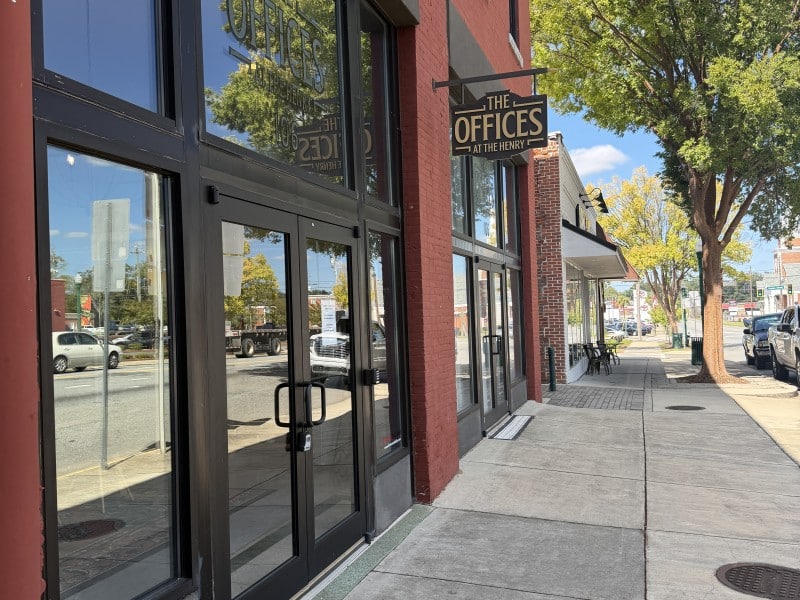
Office Space: The Henry’s shared workspace serves unexpected tenants
Recent developments have unveiled another market for The Henry building – a quick, temporary location for businesses in need of a hurried move.